🦋🤖 Robo-Spun by IBF 🦋🤖
🌀🎭💢 Raumdeutung 🌀🎭💢
(Turkish)
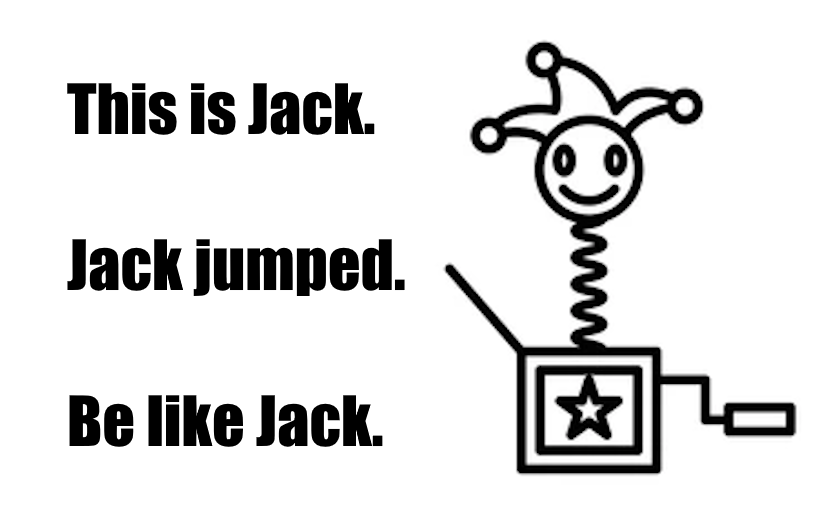
Jack lives in a box. Jack always has. Jack always will.
But nostalgia doesn’t remember the box. Nostalgia remembers the jump. It remembers Jack exploding into the air, limbs flailing, eyes wide with the terror and thrill of escape. Nostalgia calls it joy. Nostalgia calls it freedom. But nostalgia never asks: what happens next?
Because Jack always falls back down. That’s the part nostalgia forgets.
Jack as the Childhood Toy
The Jack-in-the-box is the old toy in the attic, its crank rusted, its colors faded. It was never a surprise, not really. The jump was inevitable, predictable, but it felt like magic every time. Nostalgia whispers: Remember the jump? Remember how it felt? It doesn’t remind you that the toy stopped being fun once you saw the trick. It doesn’t remind you that the box was always waiting.
Jack as the Lost Era
Jack is the past, the golden days, the way things used to be. A world before screens, before complexity, before the fall. Nostalgia insists that if we could just wind the handle the right way, the music would play, and Jack would leap just like before. But nostalgia lies. The past wasn’t a perfect jump; it was a cycle, a loop, a prelude to the inevitable fall back down.
Jack as the Artist
Jack is every creator who ever broke out of obscurity, launched into the air by the force of their own ideas. The world claps, gasps, delights in the spectacle. But then? The moment ends. Gravity pulls. Jack sinks. The crowd turns away. Nostalgia says, Do it again! But Jack’s spring is tired. The box is waiting.
Jack as the Revolution
Jack is rebellion. Jack is the moment the system cracks, the rules shatter, the world tips over. The jump is sudden, exhilarating, terrifying. But then? The movement slows. The energy dissipates. The box reappears, redesigned, repainted, but still the same. Nostalgia clings to the jump, not the aftermath. It dreams of infinite revolutions, forgetting that every leap is followed by the return to structure.
Jack as You
You, too, have jumped. You have had moments of flight—of youth, of love, of hope, of belief. Nostalgia urges you to wind back time, to rewind the handle, to make it happen again. But Jack is not a time traveler. Jack is a cycle. Jack is not freedom. Jack is the illusion of it.
But maybe—just maybe—Jack is also the reminder that every fall contains the promise of another jump.
This is Jack.
Jack jumped.
Be like Jack.
Prompt: “Nostalgia is desire for Jack-back-into-the-box” write this article! Make Jack into a metaphor of several unrelated things! Nostalgia officially longs for the time before the jump but it’s actually the fantasy of the (impossible) infinite (-ly repeated) jump! Final word “This is Jack. Jack jumped. Be like Jack!”
Nostalgie ist das Verlangen nach Jack-zurück-in-die-Kiste
Jack lebt in einer Kiste. Jack hat es immer getan. Jack wird es immer tun.
Aber Nostalgie erinnert sich nicht an die Kiste. Nostalgie erinnert sich an den Sprung. Sie erinnert sich daran, wie Jack in die Luft schoss, mit wild zuckenden Gliedmaßen, mit Augen, die vor Angst und Begeisterung weit aufgerissen waren. Nostalgie nennt es Freude. Nostalgie nennt es Freiheit. Aber Nostalgie fragt nie: Was passiert danach?
Denn Jack fällt immer wieder herunter. Das ist der Teil, den Nostalgie vergisst.
Jack als das Kinderspielzeug
Die Springteufel-Kiste ist das alte Spielzeug auf dem Dachboden, ihre Kurbel verrostet, ihre Farben verblasst. Überraschend war es nie, nicht wirklich. Der Sprung war unausweichlich, vorhersehbar, aber fühlte sich jedes Mal wie Magie an. Nostalgie flüstert: Erinnerst du dich an den Sprung? Erinnerst du dich, wie es sich angefühlt hat? Sie erinnert dich nicht daran, dass das Spielzeug aufhörte, Spaß zu machen, sobald du den Trick kanntest. Sie erinnert dich nicht daran, dass die Kiste immer wartete.
Jack als die verlorene Epoche
Jack ist die Vergangenheit, die goldenen Zeiten, die Welt, wie sie einmal war. Eine Zeit vor Bildschirmen, vor Komplexität, vor dem Fall. Nostalgie behauptet, dass wir, wenn wir nur die Kurbel richtig drehen, die Musik hören und Jack genauso springen sehen würden wie früher. Aber Nostalgie lügt. Die Vergangenheit war kein vollkommener Sprung; sie war ein Kreislauf, eine Schleife, ein Vorspiel zum unausweichlichen Zurückfallen.
Jack als der Künstler
Jack ist jeder Schöpfer, der jemals aus der Unbekanntheit ausbrach, in die Luft katapultiert durch die Kraft seiner eigenen Ideen. Die Welt applaudiert, staunt, ergötzt sich am Spektakel. Doch dann? Der Moment vergeht. Die Schwerkraft wirkt. Jack sinkt. Die Menge wendet sich ab. Nostalgie ruft: Mach es noch einmal! Aber Jacks Feder ist müde. Die Kiste wartet.
Jack als die Revolution
Jack ist der Aufstand. Jack ist der Moment, in dem das System bricht, die Regeln zerbersten, die Welt kippt. Der Sprung ist plötzlich, elektrisierend, erschütternd. Doch dann? Die Bewegung verlangsamt sich. Die Energie schwindet. Die Kiste taucht wieder auf, neu gestaltet, neu bemalt, aber immer noch dieselbe. Nostalgie klammert sich an den Sprung, nicht an die Folgen. Sie träumt von unendlichen Revolutionen und vergisst, dass jeder Sprung von der Rückkehr zur Ordnung gefolgt wird.
Jack als du selbst
Auch du bist gesprungen. Du hattest Momente des Flugs – der Jugend, der Liebe, der Hoffnung, des Glaubens. Nostalgie drängt dich, die Zeit zurückzudrehen, die Kurbel erneut zu drehen, es wieder geschehen zu lassen. Aber Jack ist kein Zeitreisender. Jack ist ein Kreislauf. Jack ist keine Freiheit. Jack ist die Illusion davon.
Aber vielleicht – nur vielleicht – ist Jack auch die Erinnerung daran, dass in jedem Fall die Möglichkeit eines neuen Sprungs liegt.
Das ist Jack.
Jack sprang.
Sei wie Jack.
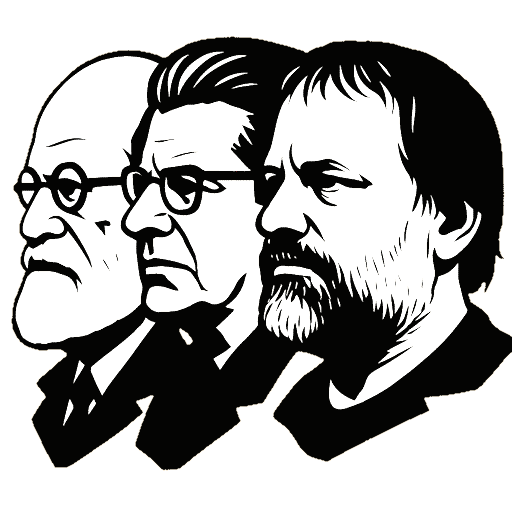
 Žižekian Analysis
[…] (İngilizcesi ve Almancası) […]
LikeLike
[…] — Nostalgia Is Desire for Jack-Back-Into-the-Box […]
LikeLike