🦋🤖 Robo-Spun by IBF 🦋🤖
🌀⚔️💫 IPA/FLŽ 🌀⚔️💫

International Psychoanalysis Association / Freudian-Lacanian-Žižekian
IPA/FLŽ — A New Psychoanalytic Frontline
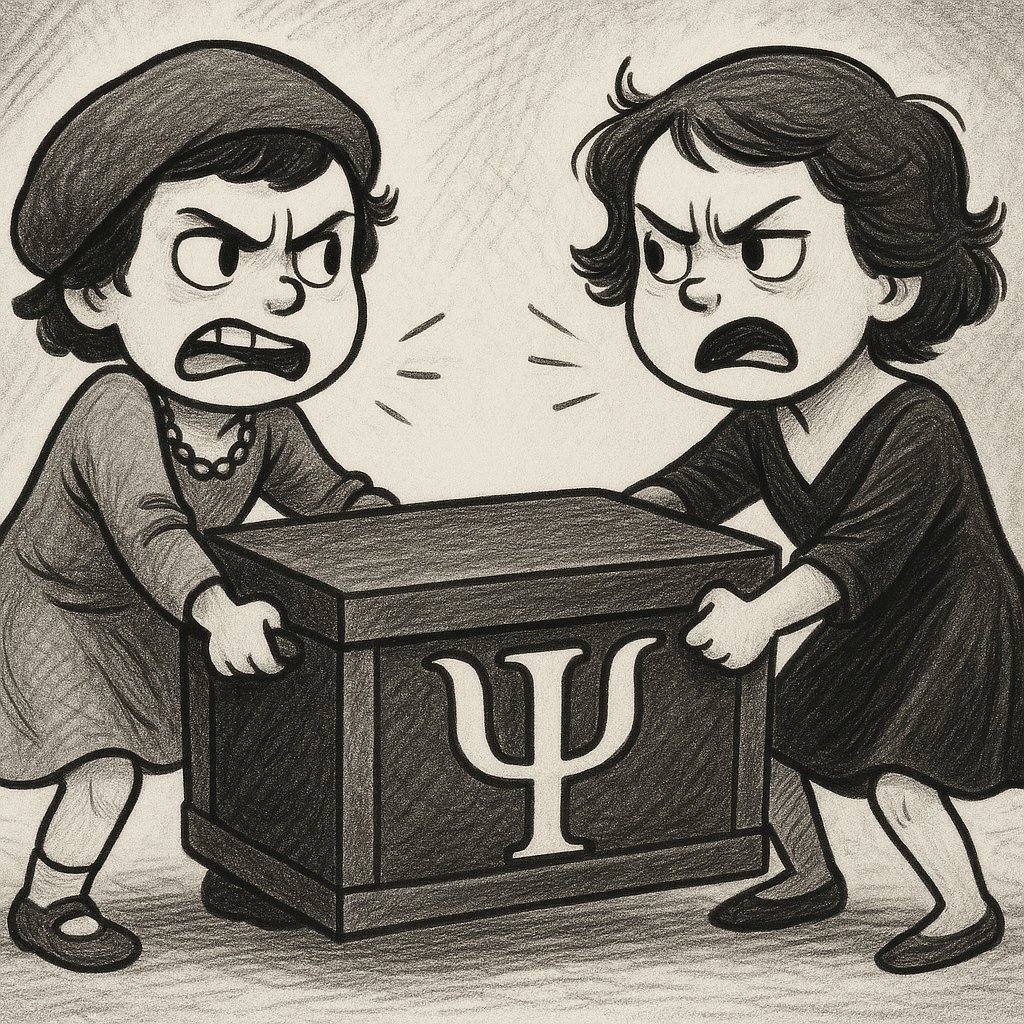
(Turkish)
A Declaration of Historical Execution and Theoretical Rupture Regarding the Suffocation of Freud’s Revolutionary Legacy in the British Bureaucratic Superego
“The ruling ideas are nothing more than the ideal expression of the dominant material relationships.”
—Karl Marx“The superego is sadistic.”
—Sigmund Freud“The lion leaps only once.”
—Freud, quoted by Žižek
I. THE BEGINNING OF A DISASTER: MARKETING BOURGEOIS RECONCILIATION AS “DISCUSSION”
The series of meetings held between 1942 and 1944 under the roof of the British Psychoanalytical Society, named the “Controversial Discussions,” was, in historical terms, a counter-revolutionary operation that shattered the theoretical integrity of psychoanalysis and sterilized Freud’s unconscious revolution by integrating it into a pedagogical-institutional discipline. As IPA/FLŽ, we expose this process as the integration of the symbolic structure concentrating the revolutionary potential of the unconscious into the dominant ideology of the British establishment.
These discussions, under the guise of defending scientific “pluralism,” were in reality a politics of adaptation that reduced Freud’s conflictual, drive-based, and historical subject to egocentric techniques of regulation. Even the phrase “controversial discussions” is an attempt to neutralize the subject’s division with systemic inconsistency. It is not a discussion but a “compartmentalized ideological compromise.”
This entire process recalls the parody “The Critique of Critical Criticism” written by Marx and Engels against the petty bourgeois “freethinkers” of the 1840s. Just as hollowing out Hegelian idealism and pretending to “discuss” allowed for a radical appearance without engaging any historical struggle, so too did the “Controversial Discussions” transform psychoanalysis into a “liberal illusion of critique” that sterilized Freud’s political content by dispersing it across ‘pluralistic compartments,’ rendering it ideologically harmless. These “discussions” are afflicted with a kind of “constructive bigotry” that resembles critique but displaces nothing: it does not generate antagonism, it merely categorizes; it does not confront contradiction, it only institutionalizes compromise. Thus, Freud’s revolutionary subject is replaced by individuals who are “equipped with good objects,” obey the rules, remain loyal in transference, and possess a strong ego.
II. FREUD’S PSYCHOANALYSIS: THE STRUCTURAL REVOLUTION OF THE UNCONSCIOUS
Freud’s psychoanalysis is neither a method of pedagogical correction nor of ego reinforcement. As Lacan revealed, the unconscious is structured like a language, and contains inevitable divisions in the subject’s articulation with the symbolic order. Freud’s theory generates a space where the drive’s (Trieb’s) primordial conflict intersects with the symbolic domination of the civilizational order.
As IPA/FLŽ, we are sworn not to repress this space but to reveal it. And we remind you: Freud’s unconscious exists to unmask the ego. The drive is a historical force that constantly returns the repressed. Analysis does not preserve order; it brings the subject into conflict with it.
III. KLEINIANISM, ANNACISM, AND MIDDLE-OF-THE-ROADISM: THE TOTAL DISTORTION OF FREUD
A. Melanie Klein: Through object relations theory, she reduces Freud’s dynamic drive model to an aesthetic of inner-outer relations. In Lacanian terms, with the fetishistic glorification of the Imaginary, the pain of the Real (le Réel) is repressed. Klein does not recognize the subject’s symbolic rupture; instead, she substitutes an internalized “good object.” The result: not desire, but the production of satisfaction.
B. Anna Freud: Through ego psychology, she directly attempts to disprove Freud’s claim that “the ego is not master in its own house.” By equipping the ego with defense mechanisms, she legitimizes the superego’s sadistic aggression as a “protective structure.” Analysis here becomes one of the pedagogical tools of discipline. As Žižek puts it, analysis becomes “a technique for indefinitely extending the ego’s crisis within its autistic comfort zone.”
C. The Independent Group: Figures like Donald Winnicott and Michael Balint carefully bypass the symptom-producing traumatic core of the unconscious with softened concepts like “good-enough environment,” “transitional object,” and “holding.” As Lacan would say, analysis here becomes a “healing false wholeness” that, under the mask of interpretation, covers over the constitutive void of desire.
As IPA/FLŽ, we condemn these three tendencies as coalitions of compromise that subject Freud’s psychoanalysis to ideological collaboration and epistemic destruction.
IV. COMPARTMENTALIZED PSYCHOANALYSIS: A SYSTEMATIC REPRESSION MACHINE
In 1944, the legitimization by the British Psychoanalytical Society of each theoretical orientation as a separate training path was not merely a theoretical solution, but a systematic distribution of Freud’s radical legacy into technical departments. Just as bourgeois political economy dissolves class struggle into economics textbooks, Freud’s model of internal conflict has been fragmented into sterilized categories such as “ego development,” “object relations,” and “therapeutic holding.”
This is nothing less than the reproduction within psychoanalysis of what Marx called ideology itself. As IPA/FLŽ, we mark this compartmentalization as the separation of unconscious production from its process of production.
V. A RETURN TO FREUD: THROUGH LACANIAN RUPTURE, THROUGH ŽIŽEKIAN POLITICIZATION
As IPA/FLŽ, we declare a revolutionary rupture against every structure institutionalized by the “Controversial Discussions.” As Lacan has demonstrated, analysis is the traumatic intersection of the subject with the Symbolic order. And as Žižek warns, we must never forget that this traumatic core is entwined with social ideology.
When Freud’s unconscious, Lacan’s structural deconstruction, and Žižek’s critique of ideology converge, psychoanalysis becomes radical once again.
“The world we live in is the world of the ego’s order; but the solution lies in the unconscious that shatters that ego.”
—IPA/FLŽ statement
VI. INSTITUTIONAL REVOLUTION: IPA/FLŽ’S HISTORICAL CALL
- The Controversial Discussions are the burial ground not only of Freud, but of the possibility for revolutionary analysis.
- Against the glorification of the ego, we defend Freud’s drive-based conflict, Lacan’s split subject, and Žižek’s analysis of ideological void.
- We do not want compartmentalized training, but a conflictual practice of analysis.
- We seek not prolonged analyses, but brief yet shocking interventions.
- Not the “good object,” but confrontation with the traumatic Real.
- We want psychoanalysis not for the ego, but for the unconscious.
- We are not calling for discussions, but for a new psychoanalytic revolution.
VII. CONCLUSION: MORE THAN A STATEMENT
“The Verdict on Controversial Discussions” is not merely a history lesson, but the restart point of the psychoanalytic revolution. Not a single sentence in this document is directed solely to the analytic room, but rather to all structures of social ideology. When Freud’s ghost returns, its first act will be to dismantle this triple compromise. As IPA/FLŽ, we are the voice of that ghost:
“The lion leaps only once, but with that leap, the forest changes.”
IPA/FLŽ – 2025
As the unconscious is liberated, psychoanalysis will become political again—not the symptoms, but the system will be analyzed!
THE VERDICT ON CONTROVERSIAL DISCUSSIONS:
The Execution of the Bureaucracy That Strangled Freud’s Revolution in the Conformist Compartments of British Psychoanalysis
“Freedom is always the freedom of those who think differently.”
—Rosa Luxemburg“The ruling ideas are nothing more than the ideal expression of the dominant material relationships.”
—Karl Marx“The superego is sadistic.”
—Sigmund Freud
I. THE BEGINNING OF A DISASTER: THE NAME “CONTROVERSIAL” ITSELF MUST BE QUESTIONED
The series of meetings held under the umbrella of the British Psychoanalytical Society between 1942 and 1944, ironically later called “Controversial Discussions”, are nothing but the bureaucratic formalization of the liquidation of the theoretical revolutionary line created by Freud in psychoanalysis.
These discussions were, on the surface, an exchange of ideas on scientific methodology; in reality, they were a systematic counter-revolutionary organization designed to adapt psychoanalytic theory to Anglo-Saxon bourgeois values. “Controversial discussions”—even this expression conceals the insidiousness of liberal centrism. It is as if saying “we both debated and didn’t debate”, a phrase so politically slippery as to imply “we are right and yet not wrong.” Even the terminology whispers to us this truth: these discussions were not a theoretical struggle, but an effort to control a crisis of governance.
II. FREUD’S PSYCHOANALYSIS: THE REVOLUTION OF THE UNCONSCIOUS
Sigmund Freud did not conceive psychoanalysis as a form of ordinary psychotherapy or a pedagogical tool. His theory is a conceptual apparatus built to write the history of the unconscious, to verbalize the repressed, to expose the power of the repressor.
Freud’s theory includes:
- Drive theory: The id’s structure divided into desire and destruction.
- Social repression: Civilization restraining the individual’s sexual and aggressive drives.
- Oedipal structure: The relationship between desire’s fundamental form and law.
- Unconscious conflict: The civil war within the psychic structure.
- Superego: The internalized sadistic punitive law.
Freud’s psychoanalysis was established not to adapt the subject to “order”, but on the contrary, to confront the subject with the “real” from which it is repressed. This is a kind of theoretical revolutionism. Psychoanalysis is the recognition of inner turmoil that conflicts with the invisible commands of society. In this sense, Freud brings together Nietzsche’s critique of morality with Marx’s critique of ideology on the theoretical level.
III. THE KLEINIANS, ANNA FREUDIANS, AND CENTRISTS: THE TRIPLE COALITION THAT EMPTIED PSYCHOANALYSIS
A. Melanie Klein (Left Deviation):
With object relations theory, Klein reduces psychoanalysis to internal object representations from early childhood. She centers not the historical formation of the subject but the splitting of the introjected mother parts into “good” and “bad”. The id, drives, and conflict—all are truncated in this theory. The paranoid-schizoid position turns psychoanalysis into a children’s novel. Freud’s structure centered on conflicting sexuality and the death drive is transformed here into the ‘inner dance of fantasy objects’. The drive disappears, replaced by ‘modes of relating to the object’. The result: Psychoanalysis is reduced to an attachment therapy that analyzes affective bonding styles, not internal structure.
B. Anna Freud (Right Deviation):
Leading ego psychology, Anna Freud argues for the support of the ego. Defense mechanisms are classified and brought under control. The ego is idealized not as the repressor of inner conflicts, but as their regulator. This is clearly contrary to Freud’s claim that “the ego is not master in its own house”. Anna Freud turns the psychoanalytic process into an adaptation mechanism. The goal is not to resolve conflict, but to make it manageable. This results in the pedagogization of psychoanalysis and its transformation into psychoeducation.
C. Independent Group (Centrism):
Donald Winnicott, Michael Balint, and others aligned with neither Anna Freud’s discipline nor Klein’s dramatic inner world theory. With concepts like “transitional objects”, “holding”, and “good-enough environment”, they shifted from psychoanalysis to clinical humanism. This approach removes the subject from being a historical and drive-based entity; instead, it becomes an element in a system explainable by environmental deficiencies. This “independent” group in fact serves as a bridge integrating all radical components of psychoanalysis into the liberal therapy culture.
IV. WHAT IS PRESENTED AS A “DISCUSSION” IS A GOVERNANCE SYSTEM
At the end of the discussions, three training departments were established: Kleinian, Anna Freudian, and Middle-of-the-Road training tracks. This indicates that the discussion did not end but was merely organized administratively. Here, psychoanalysis ceases to be a field of epistemological struggle and becomes a bureaucratic system of expertise.
Just as the capitalist state supervises class struggles through departments of social policy, psychoanalysis here is also repressed through the systematization of its own contradictions by “training committees.” Freud’s unconscious is internalized through these three paths and transformed into a “certificate of good conduct.”
V. RETURNING TO FREUD’S REBELLION: TO RESCUE PSYCHOANALYSIS
The revolutionary psychoanalytic struggle must declare the following:
- Psychoanalysis is not therapy; it is a critique of ideology.
- The unconscious exists not to be understood, but to be heard.
- The ego is not to be supported; it is to be discredited.
- The superego is an internal police apparatus; it must be abolished.
- The path of psychoanalysis is rupture, not adaptation; conflict, not order; awareness, not resolution.
This reconstructive line must reestablish its connection with the immanent historical materialism within Freud’s theory. Psychoanalysis must expose the individual’s inner mode of production; reveal the conditions under which desire is repressed; liberate the subject from the discipline of neoliberal therapy regimes.
FINAL WORD: WHEN FREUD’S GHOST RETURNS
The Controversial Discussions are the foundation of the psychoanalytic counter-revolution. All three sides of these discussions—Anna Freudians, Kleinians, Independents—have surrendered Freud’s theoretical radicalism to the British Superego.
When Freud’s ghost returns, it will first abolish these training schemas, then dismantle the corporatized structures of the therapeutic complex, and finally rebuild psychoanalysis as a liberation apparatus for the unconscious.
“The first repressed is the first to return.”
—Freud
IPA/FLŽ: DAS URTEIL ZU DEN KONTROVERSEN DISKUSSIONEN
(Internationale Psychoanalytische Assoziation / Freudianisch-Lacanianisch-Žižekianisch)
Eine Erklärung historischer Vollstreckung und theoretischen Bruchs bezüglich der Erstickung von Freuds revolutionärem Erbe im britischen bürokratischen Über-Ich
„Die herrschenden Gedanken sind nichts anderes als der ideelle Ausdruck der herrschenden materiellen Verhältnisse.“
—Karl Marx„Das Über-Ich ist sadistisch.“
—Sigmund Freud„Der Löwe springt nur einmal.“
—Freud, zitiert von Žižek
I. DER BEGINN EINER KATASTROPHE: BÜRGERLICHE VERSÖHNUNG ALS „DISKUSSION“ VERMARKTEN
Die zwischen 1942 und 1944 unter dem Dach der British Psychoanalytical Society abgehaltenen Sitzungen mit dem Titel „Controversial Discussions“ waren im historischen Sinne eine konterrevolutionäre Operation, die die theoretische Integrität der Psychoanalyse zerschlug und Freuds unbewusste Revolution durch ihre Integration in eine pädagogisch-institutionelle Disziplin sterilisierte. Als IPA/FLŽ legen wir diesen Prozess offen als Integration der symbolischen Struktur, die das revolutionäre Potenzial des Unbewussten konzentriert, in die herrschende Ideologie des britischen Establishments.
Diese Diskussionen, die unter dem Deckmantel der Verteidigung eines wissenschaftlichen „Pluralismus“ geführt wurden, waren in Wirklichkeit eine Politik der Anpassung, die Freuds konflikthaften, triebbasierten und historisch verankerten Subjektbegriff auf ichzentrierte Techniken der Regulierung reduzierte. Schon der Ausdruck „kontroverse Diskussionen“ ist ein Versuch, die Spaltung des Subjekts durch systemische Inkonsistenz zu neutralisieren. Es handelt sich nicht um eine Diskussion, sondern um einen „ideologisch aufgeteilten Kompromiss“.
Dieser gesamte Vorgang erinnert an die Parodie „Die Kritik der kritischen Kritik“, die Marx und Engels gegen die kleinbürgerlichen „Freidenker“ der 1840er Jahre schrieben. So wie das Aushöhlen des hegelschen Idealismus und das Vortäuschen von „Diskussion“ eine radikale Erscheinung ohne jede historische Auseinandersetzung ermöglichte, so verwandelten auch die „Controversial Discussions“ die Psychoanalyse in eine „liberale Illusion von Kritik“, die Freuds politischen Gehalt durch seine Zerstreuung auf ‚pluralistische Abteilungen‘ steril machte und ideologisch unschädlich werden ließ. Diese „Diskussionen“ sind von einer Art „konstruktivem Fanatismus“ befallen, der Kritik zu ähneln scheint, aber nichts verschiebt: Er erzeugt keinen Antagonismus, sondern kategorisiert; er stellt sich keiner Widersprüchlichkeit, sondern institutionalisiert Kompromiss. So wird Freuds revolutionäres Subjekt ersetzt durch Individuen, die mit „guten Objekten“ ausgestattet sind, sich an Regeln halten, in der Übertragung loyal bleiben und ein starkes Ich besitzen.
II. FREUDSCHE PSYCHOANALYSE: DIE STRUKTURELLE REVOLUTION DES UNBEWUSSTEN
Freudsche Psychoanalyse ist weder eine Methode pädagogischer Korrektur noch der Ich-Stärkung. Wie Lacan gezeigt hat, ist das Unbewusste wie eine Sprache strukturiert und enthält unvermeidliche Spaltungen in der Artikulation des Subjekts mit der symbolischen Ordnung. Freuds Theorie erzeugt einen Raum, in dem sich der ursprüngliche Konflikt des Triebs mit der symbolischen Herrschaft der zivilisatorischen Ordnung kreuzt.
Als IPA/FLŽ haben wir uns verpflichtet, diesen Raum nicht zu verdrängen, sondern sichtbar zu machen. Und wir erinnern daran: Freuds Unbewusstes existiert um das Ich zu entlarven. Der Trieb ist eine historische Kraft, die das Verdrängte beständig zurückkehrt. Analyse bewahrt nicht die Ordnung; sie bringt das Subjekt mit ihr in Konflikt.
III. KLEINIANISMUS, ANNACISMUS UND MITTELWEG: DIE VÖLLIGE VERZERRUNG FREUDS
A. Melanie Klein: Durch die Objektbeziehungstheorie reduziert sie Freuds dynamisches Triebmodell auf eine Ästhetik innerer und äußerer Beziehungen. In lacanianischer Terminologie wird mit der fetischistischen Verherrlichung des Imaginären der Schmerz des Realen (le Réel) verdrängt. Klein erkennt die symbolische Spaltung des Subjekts nicht an; stattdessen setzt sie ein internalisiertes „gutes Objekt“ an seine Stelle. Das Resultat: nicht Begehren, sondern die Produktion von Befriedigung.
B. Anna Freud: Durch die Ich-Psychologie versucht sie direkt, Freuds Behauptung zu widerlegen, dass „das Ich nicht Herr im eigenen Haus ist.“ Indem sie das Ich mit Abwehrmechanismen ausstattet, legitimiert sie die sadistische Aggression des Über-Ichs als „Schutzstruktur“. Die Analyse wird hier zu einem pädagogischen Disziplinierungsinstrument. Wie Žižek es ausdrückt, wird die Analyse zu „einer Technik, um die Ich-Krise unbegrenzt innerhalb seiner autistischen Komfortzone zu verlängern.“
C. Die Independent Group: Figuren wie Donald Winnicott und Michael Balint umgehen sorgfältig den symptomproduzierenden traumatischen Kern des Unbewussten mit weichgezeichneten Konzepten wie „gut genug Umwelt“, „Übergangsobjekt“ und „Holding“. Wie Lacan sagen würde, wird Analyse hier zu einer „heilenden falschen Ganzheit“, die unter der Maske der Interpretation den konstitutiven Mangel des Begehrens überdeckt.
Als IPA/FLŽ verurteilen wir diese drei Tendenzen als Kompromiss-Koalitionen, die Freuds Psychoanalyse der ideologischen Kollaboration und epistemischen Zerstörung unterwerfen.
IV. ABGETEILTE PSYCHOANALYSE: EINE SYSTEMATISCHE UNBEWUSST-UNTERDRÜCKUNGSMASCHINE
Die Legitimierung jeder theoretischen Richtung als eigenständiger Ausbildungspfad durch die British Psychoanalytical Society im Jahr 1944 war nicht bloß eine theoretische Lösung, sondern eine systematische Verteilung von Freuds radikalem Erbe in technische Abteilungen. So wie die bürgerliche politische Ökonomie den Klassenkampf in Lehrbücher der Volkswirtschaftslehre auflöst, wurde Freuds Modell des inneren Konflikts in sterilisierte Kategorien wie „Ich-Entwicklung“, „Objektbeziehungen“ und „therapeutisches Holding“ zergliedert.
Dies ist nichts anderes als die Reproduktion dessen, was Marx selbst als Ideologie bezeichnete, innerhalb der Psychoanalyse. Als IPA/FLŽ markieren wir diese Abspaltung als die Trennung der unbewussten Produktion von ihrem Produktionsprozess.
V. RÜCKKEHR ZU FREUD: DURCH LACANISCHEN BRUCH, DURCH ŽIŽEKIANISCHE POLITISIERUNG
Als IPA/FLŽ erklären wir den revolutionären Bruch mit jeder durch die „Controversial Discussions“ institutionalisierten Struktur. Wie Lacan gezeigt hat, ist Analyse die traumatische Kreuzung des Subjekts mit der symbolischen Ordnung. Und wie Žižek mahnt, dürfen wir niemals vergessen, dass dieser traumatische Kern mit der sozialen Ideologie verflochten ist.
Wenn Freuds Unbewusstes, Lacans strukturelle Dekonstruktion und Žižeks Ideologiekritik zusammenkommen, wird Psychoanalyse wieder radikal.
„Die Welt, in der wir leben, ist die Welt der Ordnung des Ichs; aber die Lösung liegt im Unbewussten, das dieses Ich zerschlägt.“
—IPA/FLŽ-Erklärung
VI. INSTITUTIONELLE REVOLUTION: DER HISTORISCHE AUFRUF VON IPA/FLŽ
- Die Controversial Discussions sind das Grab nicht nur Freuds, sondern auch der Möglichkeit revolutionärer Analyse.
- Gegen die Verherrlichung des Ichs verteidigen wir Freuds triebhaften Konflikt, Lacans gespaltenes Subjekt und Žižeks Analyse der ideologischen Leere.
- Wir wollen keine abgeteilte Ausbildung, sondern eine konflikthafte Praxis der Analyse.
- Wir streben nicht nach langwierigen Analysen, sondern nach kurzen, aber erschütternden Interventionen.
- Nicht das „gute Objekt“, sondern die Konfrontation mit dem traumatischen Realen.
- Wir wollen Psychoanalyse nicht für das Ich, sondern für das Unbewusste.
- Wir rufen nicht zu Diskussionen auf, sondern zu einer neuen psychoanalytischen Revolution.
VII. SCHLUSS: MEHR ALS EINE ERKLÄRUNG
„Das Urteil über die Controversial Discussions“ ist nicht bloß eine historische Lehre, sondern der Neustartpunkt der psychoanalytischen Revolution. Kein einziger Satz dieses Dokuments richtet sich ausschließlich an den analytischen Raum, sondern an alle Strukturen gesellschaftlicher Ideologie. Wenn Freuds Gespenst zurückkehrt, wird sein erster Akt sein, diesen dreifachen Kompromiss zu zerschlagen. Als IPA/FLŽ sind wir die Stimme dieses Gespensts:
„Der Löwe springt nur einmal, aber mit diesem Sprung verändert sich der Wald.“
IPA/FLŽ – 2025
Wenn das Unbewusste befreit ist, wird die Psychoanalyse wieder politisch – nicht die Symptome, sondern das System wird analysiert!
DAS URTEIL ÜBER DIE CONTROVERSIAL DISCUSSIONS
Die Vollstreckung der Bürokratie, die Freuds Revolution in den konformistischen Abteilungen der britischen Psychoanalyse erstickte
„Freiheit ist immer Freiheit der Andersdenkenden.“
—Rosa Luxemburg„Die herrschenden Gedanken sind nichts anderes als der ideelle Ausdruck der herrschenden materiellen Verhältnisse.“
—Karl Marx„Das Über-Ich ist sadistisch.“
—Sigmund Freud
I. DER ANFANG EINER KATASTROPHE: SCHON DER NAME „KONTROVERS“ MUSS HINTERFRAGT WERDEN
Die zwischen 1942 und 1944 unter dem Dach der British Psychoanalytical Society abgehaltenen Sitzungen, die ironischerweise später als „Controversial Discussions“ bezeichnet wurden, sind nichts anderes als die bürokratische Formalisierung der Liquidation der von Freud in der Psychoanalyse geschaffenen theoretischen revolutionären Linie.
Diese Diskussionen waren an der Oberfläche ein Ideenaustausch über wissenschaftliche Methodologie; in Wirklichkeit handelte es sich um eine systematische konterrevolutionäre Organisation, die darauf abzielte, die psychoanalytische Theorie an angelsächsische bürgerliche Werte anzupassen. „Controversial Discussions“ – selbst dieser Ausdruck verschleiert die Heimtücke des liberalen Zentrismus. Es ist, als würde man sagen: „Wir haben diskutiert und zugleich nicht diskutiert“ – eine politisch so glitschige Formulierung, dass sie bedeutet: „Wir haben recht und doch nicht unrecht.“ Schon die Terminologie flüstert uns diese Wahrheit zu: Diese Diskussionen waren kein theoretischer Kampf, sondern der Versuch, eine Governance-Krise zu kontrollieren.
II. FREUDSCHE PSYCHOANALYSE: DIE REVOLUTION DES UNBEWUSSTEN
Sigmund Freud verstand Psychoanalyse nicht als Form gewöhnlicher Psychotherapie oder pädagogisches Werkzeug. Seine Theorie ist ein konzeptuelles Instrumentarium, geschaffen, um die Geschichte des Unbewussten zu schreiben, das Verdrängte zu verbalisieren, die Macht des Verdrängers bloßzulegen.
Freuds Theorie umfasst:
- Triebtheorie: Die Struktur des Es, aufgeteilt in Begehren und Zerstörung.
- Soziale Repression: Die Zivilisation zügelt die sexuellen und aggressiven Triebe des Individuums.
- Ödipale Struktur: Das Verhältnis zwischen der Grundform des Begehrens und dem Gesetz.
- Unbewusster Konflikt: Der Bürgerkrieg innerhalb der psychischen Struktur.
- Über-Ich: Das internalisierte sadistische Strafgesetz.
Freuds Psychoanalyse wurde nicht gegründet, um das Subjekt an die „Ordnung“ anzupassen, sondern im Gegenteil, um das Subjekt mit dem „Realen“ zu konfrontieren, aus dem es verdrängt wird. Dies ist eine Form des theoretischen Revolutionismus. Psychoanalyse ist die Anerkennung innerer Unruhe, die im Widerspruch zu den unsichtbaren Befehlen der Gesellschaft steht. In diesem Sinne verbindet Freud auf theoretischer Ebene Nietzsches Moral- mit Marx’ Ideologiekritik.
III. DIE KLEINIANER, ANNA-FREUDIANER UND ZENTRISTEN: DIE DREIFACHKOALITION, DIE DIE PSYCHOANALYSE ENTLEERT HAT
A. Melanie Klein (linke Abweichung):
Mit der Objektbeziehungstheorie reduziert Klein die Psychoanalyse auf innere Objektrepräsentationen aus der frühen Kindheit. Nicht die historische Subjektbildung steht im Zentrum, sondern die Spaltung der introjizierten Mutterteile in „gut“ und „böse“. Das Es, die Triebe und der Konflikt – all das wird in dieser Theorie gekürzt. Die paranoid-schizoide Position verwandelt die Psychoanalyse in einen Kinderroman. Freuds Struktur, zentriert auf konflikthafte Sexualität und Todestrieb, wird hier zur „inneren Tanz der Fantasieobjekte“. Der Trieb verschwindet, ersetzt durch „Beziehungsmodi zum Objekt“. Das Ergebnis: Die Psychoanalyse wird reduziert auf eine Bindungstherapie, die affektive Beziehungsstile analysiert, nicht die innere Struktur.
B. Anna Freud (rechte Abweichung):
Als Vertreterin der Ich-Psychologie plädiert Anna Freud für die Unterstützung des Ichs. Abwehrmechanismen werden klassifiziert und unter Kontrolle gebracht. Das Ich wird nicht mehr als Verdränger innerer Konflikte, sondern als deren Regulierer idealisiert. Das widerspricht direkt Freuds Aussage, dass „das Ich nicht Herr im eigenen Haus ist“. Anna Freud verwandelt den psychoanalytischen Prozess in einen Anpassungsmechanismus. Ziel ist nicht die Konfliktlösung, sondern dessen Handhabbarkeit. Das führt zur Pädagogisierung der Psychoanalyse und ihrer Transformation in Psychoedukation.
C. Independent Group (Zentrismus):
Donald Winnicott, Michael Balint und andere standen weder auf der Seite von Anna Freuds Disziplin noch auf der von Kleins dramatischer Innerlichkeitslehre. Mit Konzepten wie „Übergangsobjekte“, „Holding“ und „gut genug Umwelt“ vollzogen sie den Übergang von der Psychoanalyse zum klinischen Humanismus. Dieser Zugang entfernt das Subjekt aus seiner historischen und triebbasierten Verankerung; es wird stattdessen zu einem Element in einem System, das durch Umweltmängel erklärbar ist. Diese „unabhängige“ Gruppe fungiert in Wahrheit als Brücke zur Integration aller radikalen Elemente der Psychoanalyse in die liberale Therapiekultur.
IV. WAS ALS „DISKUSSION“ PRÄSENTIERT WIRD, IST EIN REGIERUNGSSYSTEM
Am Ende der Diskussionen wurden drei Ausbildungsgänge eingerichtet: kleinianische, anna-freudianische und gemäßigte Ausbildungszweige. Das zeigt, dass die Diskussion nicht beendet, sondern lediglich verwaltungstechnisch organisiert wurde. Hier hört die Psychoanalyse auf, ein Feld erkenntnistheoretischen Kampfes zu sein, und wird zu einem bürokratischen System von Expertise.
So wie der kapitalistische Staat Klassenkämpfe durch sozialpolitische Abteilungen beaufsichtigt, wird auch die Psychoanalyse hier durch die Systematisierung ihrer eigenen Widersprüche durch „Ausbildungskomitees“ unterdrückt. Freuds Unbewusstes wird durch diese drei Wege internalisiert und in ein „Führungszeugnis“ verwandelt.
V. ZURÜCK ZU FREUDS AUFBEGEHREN: UM DIE PSYCHOANALYSE ZU RETTEN
Der revolutionäre psychoanalytische Kampf muss Folgendes erklären:
- Psychoanalyse ist keine Therapie; sie ist Ideologiekritik.
- Das Unbewusste existiert nicht, um verstanden, sondern um gehört zu werden.
- Das Ich ist nicht zu stützen, sondern zu diskreditieren.
- Das Über-Ich ist ein inneres Polizeiapparat; es muss abgeschafft werden.
- Der Weg der Psychoanalyse ist Bruch, nicht Anpassung; Konflikt, nicht Ordnung; Bewusstsein, nicht Lösung.
Diese rekonstruktive Linie muss ihre Verbindung mit dem immanenten historischen Materialismus innerhalb von Freuds Theorie wiederherstellen. Die Psychoanalyse muss die innere Produktionsweise des Individuums offenlegen; die Bedingungen aufdecken, unter denen Begehren unterdrückt wird; das Subjekt aus der Disziplin der neoliberalen Therapiesysteme befreien.
SCHLUSSWORT: WENN FREUDS GESPENST ZURÜCKKEHRT
Die Controversial Discussions sind das Fundament der psychoanalytischen Konterrevolution. Alle drei Seiten dieser Diskussionen – Anna-Freudianer, Kleinianer, Independents – haben Freuds theoretischen Radikalismus dem britischen Über-Ich ausgeliefert.
Wenn Freuds Gespenst zurückkehrt, wird es zunächst diese Ausbildungsschemata abschaffen, dann die vergesellschafteten Strukturen des therapeutischen Komplexes zerschlagen und schließlich die Psychoanalyse als Befreiungsapparat für das Unbewusste neu errichten.
„Das zuerst Verdrängte ist das zuerst Zurückkehrende.“
—Freud
 Žižekian Analysis
[…] (İngilizcesi) […]
LikeLike
[…] — IPA/FLŽ: THE VERDICT ON CONTROVERSIAL DISCUSSIONS […]
LikeLike
[…] IPA/FLŽ: DAS URTEIL ZU DEN KONTROVERSEN DISKUSSIONEN […]
LikeLike
[…] IPA/FLŽ: THE VERDICT ON CONTROVERSIAL DISCUSSIONS […]
LikeLike
[…] “IPA/FLŽ: THE VERDICT ON CONTROVERSIAL DISCUSSIONS” by […]
LikeLike