🦋🤖 Robo-Spun by IBF 🦋🤖
🌀⚔️💫 IPA/FLŽ 🌀⚔️💫

International Psychoanalysis Association / Freudian-Lacanian-Žižekian
IPA/FLŽ — A New Psychoanalytic Frontline
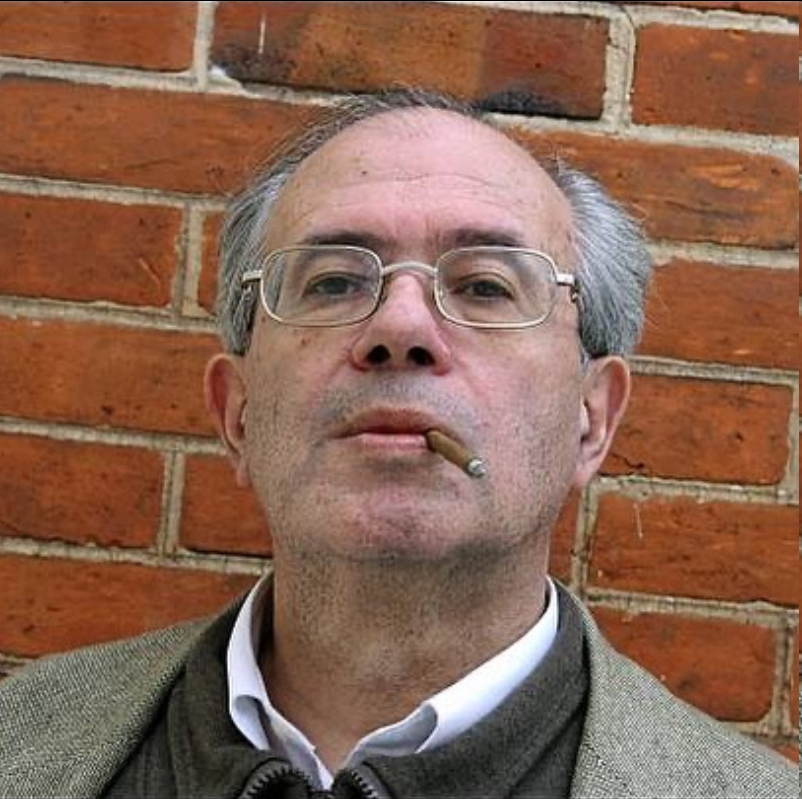
(Turkish, Millerian Psychoanalysis and the Spectacle of Interpretation)
The hegemonic structure Jacques-Alain Miller established under the name of the “Lacanian” legacy has evolved into the direct opposite of the theoretical revolution Lacan initiated with his return to Freud. It has reduced Lacan to a stimulationist seminar aesthetic, the symptom to an art-loving performance, and analysis to an endless choreography of interpretation. This article defends Lacan’s radical psychoanalytic position—centered on structural splits in his texts, symbolic ruptures, and encounters with the Real—against the pseudo-intellectual and artsy falsification of the Millerian deviation; it demonstrates the urgency, under today’s conditions, of returning to Lacan once more, but this time to his Real.
1. From the Return to Freud to Lacan’s Simulacrum: Hollowing Out Theoretical Resistance
Lacan’s call for a “return to Freud” was not a restoration, but a radical break. The aim was to demolish the post-Freudian ideological sterilization that had reduced Freud’s psychoanalysis to a harmonious, controllable therapy technique by transforming it into ego psychology. In reproducing Freud’s statement “the unconscious is repressed” with the proposition “the unconscious is structured,” Lacan was calling back the repressed in political and epistemological terms.
However, Miller reversed this revolutionary gesture of Lacan. He condemned Lacan to the same fate Freud had met: he turned him into an institutional figure, an authorized reference, an untouchable authority. Just as the “return to Freud” movement was sterilized by Anna Freud, the discourse of “fidelity to Lacan” was transformed by Miller into a kind of fetish of theoretical sanctification.
Miller’s approach, by fixing Lacan’s theory, turned its structural splits and contradictions into dysfunctional aesthetic unities. Lacan’s “split subject” dissolved in the post-Millerian figure of the “all-knowing Lacanian.” Theoretical conflicts were flattened, and Lacan was shaped into an “applicable method,” becoming an object of scholastic institutionalization.
Thus, the call for a return to Freud became a return to Lacan’s simulacrum. Resistance was replaced by status-quo Lacanianism.
2. Instead of the Unconscious: Babble Between Signifiers and Intellectual-Stimulationist Performance
Lacan’s understanding of the unconscious, expressed in the phrase “the unconscious is structured like a language,” redefines the unconscious as a structural, not dynamic system. This means the symptom must be analyzed not through “meaning production” but through its relation to a Real that resists meaning’s slippage. However, Miller and the stimulationist post-Lacanian academic circles following him have transformed this structural depth into an endless game of discourse.
In Millerian presentations, signifiers endlessly refer to one another; the unconscious is read as a text that can be infinitely interpreted. This is the exact opposite of the rupture Lacan aimed for: the infinite extension of interpretation, the evolution of emptiness into fullness of meaning.
For Lacan, analysis is not the subject constructing its own “narrative” but confronting the void of that narrative, the unrepresentable. In post-Millerian practice, however, analysis becomes a text production and seminar performance. This approach, which dissolves the subject within its own “narrative forms,” transforms the wounding dimension of the Real into an intellectual-stimulationist verbal game.
Thus, instead of the echo of the unconscious, a theoretical stimulation that ruminates within chains of signifiers emerges. This reduces the unconscious intervention Freud revealed through “slips” and “dreams” to an academic fetishism of literature.
3. Instead of the Analyst’s Desire: The Analyst’s Aesthetic Position as Charcotian Stimulation
Lacan’s concept of the “analyst’s desire” requires the analyst to remain in an empty position in order to intervene in the subject’s fantasmatic plane during the analytic process. The analyst’s desire is there to “pierce through” the point where the subject’s desire is structured; it is an ethical gesture, not an aesthetic stance.
Along the path opened by Miller and the Lacanian Ink circle, this ethical position transforms into an aesthetic position. Analysis is no longer the process of touching the subject’s symbolic wound; it is reduced to the visual and verbal exhibition of their symptoms, images, and discourses.
In this case, the analyst:
- Exhibits the symptom but does not analyze it.
- Points to the signifiers but does not interrupt them.
- Hears but does not listen.
This also reverses Freud’s historical break with Charcot. Freud had moved away from hysteria performances towards speech and symbolic processing. The Millerian and Lacanian Ink-style post-Lacanianism, by turning the symptom into a freakshow, has precisely re-invoked Charcot’s clinical aesthetic:
- The patient’s discourse is turned into the content of the performance.
- The session becomes not an intervention, but a catwalk where the symptom is displayed.
- The analyst is transformed from a neutral presence into an aesthetic observer.
This is entirely contrary to Lacan’s stance, which regards psychoanalysis as a process that is as political and ethical as it is therapeutic.
4. Stimulationist Pseudo-Ethics: Endless Seminar Aesthetics Instead of the Brief Cut of Analysis
Lacan’s famous gesture of “cutting the session short” is not merely a technical intervention but a profound ethical-theoretical move. The brief session is meant to save the subject from getting stuck in the narrative of their symptom, confronting them instead with the void of desire through a sudden “fall.” This is a structural necessity Lacan names cut (coupure) in analysis: meaning is not allowed to exhaust itself, because the logic of the unconscious functions precisely where meaning falters.
However, Miller and the post-Lacanian discourse following him have reversed this structure:
- The session is no longer cut short but transformed into a theoretically infinite “object of speech.”
- Instead of brief intervention, there is the “aesthetics of the endless seminar”: texts speak, but no one listens.
- The singular moment of cut, which Freud pointed to by saying “The lion only leaps once,” has been replaced by the aesthetic pose of infinite repetition.
In this new aesthetic-ethical regime, the analyst is no longer the agent who determines the limits of the session, but virtually becomes a passive observer. Intervention gives way to heaps of interpretation, the brief break to endless chains of references.
For Lacan, analysis is not an “enlightenment” but a split. Yet Millerian ethics has turned this split into a mass of theory that delays it. This transforms psychoanalysis into “a way of thinking that cannot make decisions.”
5. The Collapse of the Symbolic Order and the Lacanianization of the Maternal Algorithm
One of Lacan’s most radical assertions is that subjectivity can only be constituted through a symbolic cut, that is, via the Name-of-the-Father. This means that in order for the child to structure the coordinates of desire, they must undergo separation, not identification.
The algorithmic-cultural universe of today has reconstituted a maternal-total gaze in a way that chokes this symbolic cut. In Lacan’s texts, the structuring function of le Nom-du-Père (the Name-of-the-Father) has now been replaced by a maternal Other who is “all-seeing, all-knowing, ever-present.”
Millerian post-Lacanianism has not only adapted to this structural shift but has legitimized it through Lacanian theory:
- Instead of treating the fall of the Name-of-the-Father as a symptom, it is aestheticized through “readings of Lacan in tune with the spirit of the age.”
- The Imaginary replaces the Symbolic; the anchor of the Real slips.
- This leads to the subject becoming lost in a self-reflective and infinitely extended labyrinth of mirrors.
The maternal algorithm is not the “repressive Other” Lacan described, but the compliant Other, which completely eliminates desire and governs jouissance as consumable accessibility. The signs of this structure are clearly visible in Miller’s theoretical arrangements, in the transformation of the symbolic level into a site of display.
Thus, Lacan’s principle that “there is no desire without lack” is abandoned; in its place settles the illusion of “constant pleasure, instant access, and finding oneself in every image.”
Conclusion: Time to Return to Lacan – From Aesthetic Curatorship to the Cut, From Babble to the Real
Lacan’s call for a “return to Freud” was a radical revolt against the theoretical sterilization of psychoanalysis. That call was not a “re-reading,” but an act of breaking institutional fixity. Freud’s psychoanalysis had been turned—especially from the mid-20th century onward—into an ego-centered, adaptive, pedagogical, and disciplinary technique. Lacan’s return was a second rupture against this deviation, centered on language, desire, and symbolic structure.
Today, however, a similar deviation is being carried out by those who bear Lacan’s name. Those who “call themselves Lacanians” are once again transforming the theoretical ground Lacan laid into a fetish of institutionalism, an aesthetic performance, an academic stimulation, turning it into a contemporary variant of the Charcotism Freud opposed. This is no longer Lacan, but the circulation of Lacan’s name as a simulacrum.
In this false Lacanianism:
- The unconscious becomes a theoretical “playground,” but no ruptured encounter with the Real is produced.
- The symptom is not analyzed; it is turned into an aesthetic image, a talking point, an exhibition object.
- Interpretation serves not the symbolic split, but an endless game of commentary.
- The analyst does not embody the “empty position” of Lacan’s function, but takes the pose of an art curator tipping their hat to the ‘beauty’ of the symptom.
In this form, post-Millerian Lacanianism produces a post-psychoanalysis that falls behind even Freud. This psychoanalysis does not confront the Real but neutralizes it by turning it into an art object. The unconscious is not liberated; it is stimulated, drowning in the semantic fullness of interpretation.
Therefore today, a return to Lacan is not nostalgia but a necessity.
And this return is only possible through four radical orientations:
• Not speculation on the unconscious, but enabling its encounter with the Real:
What we call the Real is that which cannot be represented, that which resounds as a void in the symbolic network. For Lacan, the task of psychoanalysis is not to fill this void with padding phrases but to make its echo heard. In the Millerian approach, the unconscious has been reduced to a theoretical “theme”; we must reclaim it as a ground of rupture.
• Not aesthetic fetishes, but traumatic symbolic breaks:
The aim of psychoanalysis is not to make symptoms “beautiful,” but to resolve them through their rupturing effect. Today’s stimulationist seminar aesthetics present the symptom as a kind of intellectual display object. This is not analysis but a performance art. Lacan’s tragic subject breathes not in display but in traumatic lack.
• Not the curatorship of the symptom, but its splitting:
Today’s post-Lacanianism studies the symptom, exhibits it, holds seminars on it—but does not split it. Lacan’s definition of “real analysis” necessitates a rupture, a symbolic cut, an irreversible void. Yet today the symptom is displayed not in the analytic chair, but on panel tables.
• To reclaim Lacan from art-loving Millerism and reattach him to Freud’s revolt:
This is not a theoretical purification but a structural radicalization. Lacan came to revive Freud’s revolutionary legacy; we must now rescue Lacan from the institutional aestheticism that speaks in his name. Lacan’s language must be tampered with, cut again, fractured again. Only then can his Freudian revolutionary gesture be made possible once more.
Final Word: “The Unconscious” Is Returning—But Not with Seminars, With Trauma!
Not in the seminar, but in the cut.
Not in the quotation, but in the wound.
Not in the performance, but in silence.
Not at the podium, but in loss.
At the moment all stimulationist spectacles come to an end, true psychoanalysis begins again.
LONG LIVE LACAN!
DOWN WITH STIMULATIONIST CHARCOTIAN BABBLE!
THE RETURN TO THE REAL IS A RETURN TO THE CUT, NOT TO THE PAGES OF SEMINARS!
IPA/FLŽ: Die millerianische Abweichung ist Lacans stimulationistische Verfälschung
(Internationale Psychoanalytische Assoziation / Freudianisch-Lacanianisch-Žižekianisch)
Die hegemoniale Struktur, die Jacques-Alain Miller unter dem Namen des „lacanianischen“ Erbes etablierte, hat sich in das direkte Gegenteil jener theoretischen Revolution verwandelt, die Lacan mit seiner Rückkehr zu Freud einleitete. Sie hat Lacan auf eine stimulationistische Seminarästhetik reduziert, das Symptom zur kunstliebenden Performance gemacht und die Analyse in eine endlose Choreografie der Interpretation verwandelt. Dieser Text verteidigt Lacans radikale psychoanalytische Position – zentriert auf strukturelle Spaltungen in seinen Schriften, symbolische Brüche und Begegnungen mit dem Realen – gegen die pseudo-intellektuelle und künstlerisch aufgeladene Verfälschung durch die millerianische Abweichung; er zeigt die Dringlichkeit, unter den heutigen Bedingungen erneut zu Lacan zurückzukehren – diesmal jedoch zu seinem Realen.
1. Von der Rückkehr zu Freud zum Simulakrum Lacans: Aushöhlung theoretischen Widerstands
Lacans Aufruf zur „Rückkehr zu Freud“ war keine Restaurierung, sondern ein radikaler Bruch. Ziel war es, die postfreudianische ideologische Sterilisierung zu zerstören, die Freuds Psychoanalyse in eine harmonische, kontrollierbare Therapieform verwandelte, indem sie zur Ich-Psychologie wurde. Indem Lacan Freuds Satz „das Unbewusste ist verdrängt“ mit dem Satz „das Unbewusste ist strukturiert“ reproduzierte, rief er das Verdrängte in politischem und erkenntnistheoretischem Sinne zurück.
Miller jedoch kehrte diese revolutionäre Geste Lacans um. Er verurteilte Lacan zu demselben Schicksal wie Freud: Er machte ihn zur institutionellen Figur, zur autorisierbaren Referenz, zur unberührbaren Autorität. So wie die Bewegung der „Rückkehr zu Freud“ durch Anna Freud sterilisiert wurde, wurde der Diskurs der „Treue zu Lacan“ von Miller in eine Art Fetisch theoretischer Heiligsprechung verwandelt.
Millers Zugang fixierte Lacans Theorie, verwandelte ihre strukturellen Spaltungen und Widersprüche in dysfunktionale ästhetische Einheiten. Lacans „gespaltenes Subjekt“ löste sich in der post-millerianischen Figur des „allwissenden Lacanianers“ auf. Theoretische Konflikte wurden eingeebnet, Lacan wurde zu einer „anwendbaren Methode“ geformt, einem Objekt scholastischer Institutionalisierung.
So wurde der Aufruf zur Rückkehr zu Freud zu einer Rückkehr zum Simulakrum Lacans. Widerstand wurde ersetzt durch status-quo-Lacanianismus.
2. Anstelle des Unbewussten: Geplapper zwischen Signifikanten und intellektuell-stimulationistische Performance
Lacans Verständnis des Unbewussten, ausgedrückt in der Formulierung „das Unbewusste ist wie eine Sprache strukturiert“, definiert das Unbewusste als strukturelles, nicht dynamisches System. Das bedeutet, das Symptom muss nicht durch „Sinnproduktion“, sondern in seiner Beziehung zum Realen analysiert werden – jenem, das sich dem Sinn entzieht. Doch Miller und die ihm folgenden stimulationistisch-postlacanianischen Akademikerkreise haben diese strukturelle Tiefe in ein endloses Diskursspiel verwandelt.
In millerianischen Darstellungen verweisen Signifikanten endlos aufeinander; das Unbewusste wird als Text gelesen, der unendlich interpretierbar ist. Das ist das genaue Gegenteil des Bruchs, den Lacan anstrebte: die unendliche Verlängerung der Interpretation, die Umwandlung von Leere in Bedeutungsfülle.
Für Lacan ist Analyse nicht die Konstruktion einer „Erzählung“ durch das Subjekt, sondern die Konfrontation mit der Leere dieser Erzählung, dem Nicht-Darstellbaren. In der post-millerianischen Praxis jedoch wird Analyse zur Textproduktion und Seminarperformance. Dieser Zugang, der das Subjekt in seinen eigenen „Erzählformen“ auflöst, verwandelt die verwundende Dimension des Realen in ein intellektuell-stimulationistisches Sprachspiel.
So tritt an die Stelle des Echos des Unbewussten eine theoretische Stimulation, die innerhalb von Signifikantenketten wiederkäut. Das reduziert die unbewusste Intervention, die Freud durch „Fehlleistungen“ und „Träume“ offenbarte, zu einem akademischen Literaturfetischismus.
3. Statt dem Begehren des Analytikers: Die ästhetische Position des Analytikers als charcotianische Stimulation
Lacans Konzept des „Begehrens des Analytikers“ verlangt, dass der Analytiker in einer leeren Position verbleibt, um im analytischen Prozess in die phantasmatische Ebene des Subjekts eingreifen zu können. Das Begehren des Analytikers zielt darauf ab, den Punkt zu „durchbohren“, an dem das Begehren des Subjekts strukturiert ist; es handelt sich um eine ethische Geste, nicht um eine ästhetische Haltung.
Auf dem von Miller und dem Lacanian Ink-Kreis eröffneten Weg verwandelt sich diese ethische Position in eine ästhetische Position. Analyse ist nicht mehr der Prozess, die symbolische Wunde des Subjekts zu berühren; sie reduziert sich auf die visuelle und verbale Ausstellung seiner Symptome, Bilder und Diskurse.
In diesem Fall:
- wird das Symptom ausgestellt, aber nicht analysiert,
- auf die Signifikanten gezeigt, aber sie nicht unterbrochen,
- gehört, aber nicht zugehört.
Dies kehrt auch Freuds historischen Bruch mit Charcot um. Freud hatte sich von Hysterieaufführungen hin zur Sprache und symbolischen Verarbeitung bewegt. Der millerianische und Lacanian-Ink-artige Postlacanianismus hat durch die Verwandlung des Symptoms in eine Freakshow genau jene klinische Ästhetik Charcots erneut beschworen:
- Der Diskurs der Patientin wird zum Inhalt der Vorführung,
- die Sitzung wird nicht zur Intervention, sondern zum Laufsteg, auf dem das Symptom präsentiert wird,
- der Analytiker wird von einer neutralen Präsenz zu einem ästhetischen Beobachter.
Dies widerspricht völlig Lacans Haltung, der Psychoanalyse als Prozess versteht, der ebenso politisch und ethisch wie therapeutisch ist.
4. Stimulationistische Pseudo-Ethik: Endlose Seminarästhetik statt dem kurzen Schnitt der Analyse
Lacans berühmte Geste, „die Sitzung zu kürzen“, ist nicht bloß eine technische Intervention, sondern ein tiefer ethisch-theoretischer Akt. Die kurze Sitzung soll das Subjekt davor bewahren, sich im Narrativ seines Symptoms zu verfangen, und es stattdessen durch einen plötzlichen „Fall“ mit der Leere des Begehrens konfrontieren. Dies ist eine strukturelle Notwendigkeit, die Lacan in der Analyse als Schnitt (coupure) benennt: Sinn darf sich nicht vollständig entfalten, weil die Logik des Unbewussten genau dort funktioniert, wo Sinn versagt.
Miller und der ihm folgende postlacanianische Diskurs hingegen haben diese Struktur umgekehrt:
- Die Sitzung wird nicht mehr verkürzt, sondern zu einem theoretisch unendlichen „Sprechobjekt“ gemacht,
- anstelle der kurzen Intervention steht die „Ästhetik des endlosen Seminars“: Texte sprechen, aber niemand hört zu,
- der einzigartige Moment des Schnitts, auf den Lacan mit „Der Löwe springt nur einmal“ hinweist, wurde ersetzt durch die ästhetische Pose unendlicher Wiederholung.
In diesem neuen ästhetisch-ethischen Regime ist der Analytiker nicht mehr Akteur, der die Grenzen der Sitzung bestimmt, sondern wird faktisch zum passiven Beobachter. Intervention weicht Anhäufungen von Interpretation, der kurze Bruch wird ersetzt durch endlose Ketten von Verweisen.
Für Lacan ist Analyse keine „Erleuchtung“, sondern ein Bruch. Doch die millerianische Ethik hat diesen Bruch in eine Theoriemasse verwandelt, die ihn hinauszögert. So wird die Psychoanalyse zu „einer Denkweise, die keine Entscheidungen trifft“.
5. Der Zusammenbruch der symbolischen Ordnung und die Lacanisierung des mütterlichen Algorithmus
Eine von Lacans radikalsten Behauptungen ist, dass Subjektivität nur durch einen symbolischen Schnitt konstituiert werden kann, nämlich durch den Namen-des-Vaters. Das bedeutet: Damit das Kind die Koordinaten seines Begehrens strukturieren kann, muss es eine Trennung, nicht eine Identifikation, durchlaufen.
Das algorithmisch-kulturelle Universum der Gegenwart hat einen mütterlich-totalen Blick neu konstituiert, der diesen symbolischen Schnitt erstickt. In Lacans Texten wird die strukturierende Funktion des Nom-du-Père inzwischen ersetzt durch ein mütterliches Anderes, das „allsehend, allwissend, allgegenwärtig“ ist.
Der millerianische Postlacanianismus hat sich nicht nur dieser strukturellen Verschiebung angepasst, sondern sie durch die Lacan’sche Theorie legitimiert:
- Der Fall des Namens-des-Vaters wird nicht als Symptom behandelt, sondern ästhetisiert durch „Lacan-Lektüren im Geist der Zeit“,
- das Imaginäre ersetzt das Symbolische; der Anker des Realen löst sich,
- das Subjekt verirrt sich in einem selbstreflexiven, unendlich ausgedehnten Labyrinth der Spiegelungen.
Der mütterliche Algorithmus ist nicht das „repressive Andere“, das Lacan beschrieb, sondern das willfährige Andere, das das Begehren vollständig eliminiert und die Jouissance als konsumierbare Zugänglichkeit regiert. Die Zeichen dieser Struktur sind deutlich sichtbar in Millers theoretischen Anordnungen, in der Verwandlung der symbolischen Ebene in eine Bühne der Darstellung.
So wird Lacans Grundsatz „Es gibt kein Begehren ohne Mangel“ aufgegeben; an seine Stelle tritt die Illusion von „ständiger Lust, sofortigem Zugang und Wiedererkennung in jedem Bild“.
Schlussfolgerung: Zeit zur Rückkehr zu Lacan – Von ästhetischer Kuratierung zum Schnitt, vom Gerede zum Realen
Lacans Ruf zur „Rückkehr zu Freud“ war ein radikaler Aufstand gegen die theoretische Sterilisierung der Psychoanalyse. Dieser Ruf war kein „Neulesen“, sondern ein Akt des Bruchs mit institutioneller Erstarrung. Freuds Psychoanalyse war – insbesondere seit der Mitte des 20. Jahrhunderts – in eine ichzentrierte, adaptive, pädagogische und disziplinierende Technik verwandelt worden. Lacans Rückkehr war ein zweiter Bruch gegen diese Abweichung, zentriert auf Sprache, Begehren und symbolische Struktur.
Heute jedoch wird eine ähnliche Abweichung von jenen betrieben, die Lacans Namen tragen. Diejenigen, die sich „Lacanianer“ nennen, verwandeln den von Lacan geschaffenen theoretischen Boden erneut in einen Fetisch von Institutionalisierung, eine ästhetische Performance, eine akademische Stimulation und machen ihn zu einer zeitgenössischen Variante jenes Charcotismus, dem Freud sich widersetzte. Das ist nicht mehr Lacan, sondern die Zirkulation von Lacans Namen als Simulakrum.
In diesem falschen Lacanianismus:
- wird das Unbewusste zu einem theoretischen „Spielplatz“, ohne dass eine gebrochene Begegnung mit dem Realen entsteht,
- das Symptom wird nicht analysiert, sondern in ein ästhetisches Bild, einen Diskussionsgegenstand, ein Ausstellungsobjekt verwandelt,
- Interpretation dient nicht der symbolischen Spaltung, sondern einem endlosen Kommentarspiel,
- der Analytiker verkörpert nicht Lacans „leere Position“, sondern nimmt die Pose eines Kurators ein, der dem ‚Schönheitswert‘ des Symptoms seinen Hut zieht.
In dieser Form produziert der post-millerianische Lacanianismus eine Post-Psychoanalyse, die selbst hinter Freud zurückfällt. Diese Psychoanalyse konfrontiert das Reale nicht, sondern neutralisiert es, indem sie es in ein Kunstobjekt verwandelt. Das Unbewusste wird nicht befreit, sondern stimuliert, ertränkt in der semantischen Fülle der Interpretation.
Daher ist heute eine Rückkehr zu Lacan kein nostalgisches Begehren, sondern eine Notwendigkeit.
Und diese Rückkehr ist nur über vier radikale Ausrichtungen möglich:
• Nicht Spekulation über das Unbewusste, sondern Ermöglichung seiner Begegnung mit dem Realen:
Was wir das Reale nennen, ist das, was nicht repräsentiert werden kann, das, was als Leere im symbolischen Netzwerk widerhallt. Für Lacan besteht die Aufgabe der Psychoanalyse nicht darin, diese Leere mit Füllsätzen zu überdecken, sondern ihren Nachhall hörbar zu machen. Im millerianischen Zugang wurde das Unbewusste zu einem theoretischen „Thema“ reduziert; wir müssen es zurückfordern als eine Bruchstelle.
• Keine ästhetischen Fetische, sondern traumatische symbolische Schnitte:
Ziel der Psychoanalyse ist es nicht, Symptome „schön“ zu machen, sondern sie durch ihre bruchhafte Wirkung aufzulösen. Die heutige stimulationistische Seminarästhetik präsentiert das Symptom als eine Art intellektuelles Schaustück. Das ist keine Analyse, sondern eine Performancekunst. Lacans tragisches Subjekt atmet nicht in der Darbietung, sondern im traumatischen Mangel.
• Nicht Kuratierung des Symptoms, sondern seine Spaltung:
Der heutige Post-Lacanianismus studiert das Symptom, stellt es aus, veranstaltet Seminare darüber – aber er spaltet es nicht. Lacans Definition „echter Analyse“ erfordert einen Bruch, einen symbolischen Schnitt, eine irreversible Leere. Doch heute wird das Symptom nicht im Analysestuhl, sondern auf Podiumstischen präsentiert.
• Lacan zurückholen aus dem kunstverliebten Millerismus und wieder an Freuds Aufbegehren anschließen:
Dies ist keine theoretische Reinigung, sondern eine strukturelle Radikalisierung. Lacan trat an, um Freuds revolutionäres Erbe neu zu beleben; wir müssen Lacan heute retten vor dem institutionellen Ästhetizismus, der in seinem Namen spricht. Lacans Sprache muss bearbeitet, neu geschnitten, erneut gebrochen werden. Nur dann kann seine freudianisch-revolutionäre Geste wieder möglich werden.
Schlusswort: „Das Unbewusste“ kehrt zurück – aber nicht mit Seminaren, sondern mit Trauma!
Nicht im Seminar, sondern im Schnitt.
Nicht im Zitat, sondern in der Wunde.
Nicht in der Performance, sondern im Schweigen.
Nicht am Rednerpult, sondern im Verlust.
In dem Moment, in dem alle stimulationistischen Spektakel enden, beginnt die wahre Psychoanalyse von Neuem.
ES LEBE LACAN!
NIEDER MIT DEM STIMULATIONS-CHARCOTIANISCHEN GESCHWÄTZ!
DIE RÜCKKEHR ZUM REALEN IST EINE RÜCKKEHR ZUM SCHNITT – NICHT ZU DEN SEMINARSEITEN!


[…] (İngilizcesi) […]
LikeLike
[…] Jacques-Alain Miller transformed Lacan into a performance piece, Tupinambá transforms Lacan into an Excel spreadsheet. The STP […]
LikeLike
[…] — IPA/FLŽ: Millerian Deviation is Lacan’s Stimulationist Falsification […]
LikeLike
[…] (link, From Deviation to Pathogen: How Psychoanalytic Betrayals Fuel the Mediatic Unconscious, IPA/FLŽ: Millerian Deviation is Lacan’s Stimulationist Falsification) […]
LikeLike
[…] IPA/FLŽ: Die millerianische Abweichung ist Lacans stimulationistische Verfälschung […]
LikeLike
[…] IPA/FLŽ: Millerian Deviation is Lacan’s Stimulationist Falsification […]
LikeLike
[…] Žižek’s own years in analysis with Jacques-Alain Miller rehearsed a different rhythm [*] [*]. By his own accounts and others’, he learned to please the Other’s gaze—to come armed with […]
LikeLike
[…] analyst’s ethic of incision could be swapped for a stimulationist aesthetic of endless arrival [*]. When the scene is calibrated to deliver recognitions on cue, the Law is no longer a limit that […]
LikeLike
[…] ve analistin yarma etiği ‘sonsuz varışın stimülasyoncu estetiği’yle değiştirilebildi 🔗. Sahne, tanımaları komut üzerine teslim edecek şekilde kalibre edildiğinde Yasa artık […]
LikeLike
[…] Jacques-Alain Miller was born on 14 February 1944 in Châteauroux, France; in our key he inaugurates a stimulationist ‘countess-ism’—the editorial embrace that theatrically consecrates doctrine while caressing it into institutional shape, an embrace to be watched precisely because it feels like a benediction. A woman has risen out of the ocean, a seal is embracing her. (Wikipedia) (🔗) […]
LikeLike