🦋🤖 Robo-Spun by IBF 🦋🤖
🌀⚔️💫 IPA/FLŽ 🌀⚔️💫
🪞⚔️👁️ Post-Feminizm 🪞⚔️👁️
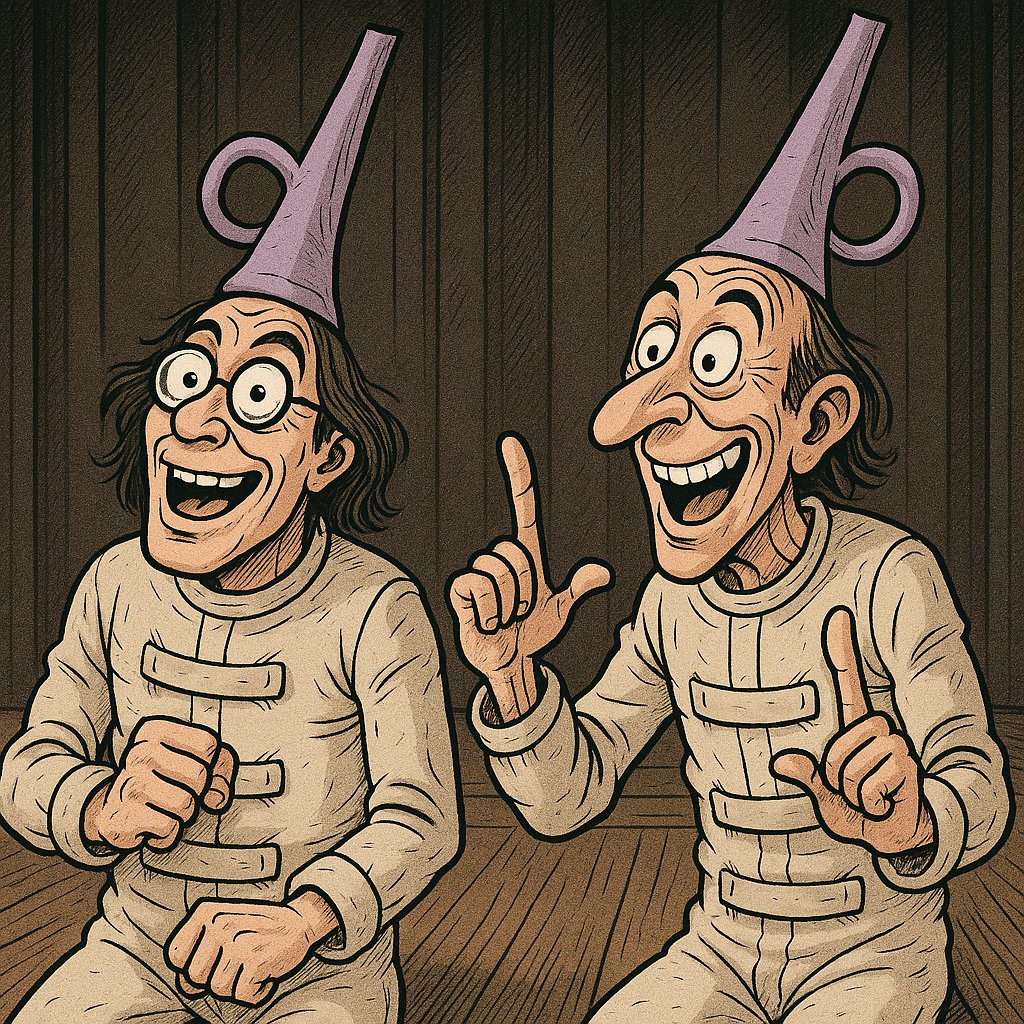
(Turkish, IPA/FLŽ: The Triple Betrayal of Deleuze & Guattari)
Deleuze and Guattari’s project is seductive: tear down the structures, let desire flow, escape the rigid binary of Oedipus, escape the “Law of the Father,” become a “Body without Organs,” melt everything into the swirling production of the unconscious. Yet this dream—of an emancipated, unbounded subjectivity—becomes, in the age of algorithmic omnipresence and digital self-surveillance, a fresh nightmare. The Freudian post-feminist manifesto, sharpened by its diagnosis of contemporary malaise, responds to Deleuze & Guattari point by point—not to defend patriarchy, but to defend the subject, desire, and the very possibility of freedom in an era of endless images.
The Primacy of Lack vs. Desire as Production
Deleuze & Guattari reject the Freudian-Lacanian principle that desire is structured by lack, proposing instead that desire is productive, generative, and affirmative—a “desiring-machine” whose only enemy is repression. They imagine a subjectivity that would explode the limits of the Oedipal triangle and become multiple, impersonal, and free.
But the post-feminist manifesto insists: This is a fantasy of plenitude that abolishes the subject as such. Desire, stripped of lack, becomes mere appetite—ceaseless consumption, “enjoyment” without any real object, exhaustion without satisfaction. To abolish lack is to abolish the subject’s capacity to want, to mourn, to fantasize, to sublimate. It is to abolish desire itself, leaving only the mechanical operation of jouissance: endless, empty, and unsatisfying. When contemporary culture promises us wholeness—through social media, self-optimization, algorithmic affirmation—it delivers only burnout, anxiety, and the death of subjectivity.
Against the Body without Organs: For the Castrated, Symbolic Body
Deleuze & Guattari’s Body without Organs (BwO) is the fantasy of a body liberated from all structure, division, repression—a body that is pure potential, pure surface. This body, they claim, resists the tyranny of organization and the violence of Oedipal law.
The manifesto answers: The fantasy of a body without structure, endlessly deterritorialized, is not freedom but disintegration. It is the logic of digital capitalism, where bodies become surfaces for the projection of desire—images to be consumed, rated, and discarded. Without the symbolic cut—without castration, separation, and the Law—the subject is dissolved into an endless, restless stream of images. This is not the liberation of the body, but its total commodification and aesthetic totalitarianism. It is the rule of the mirror, not the emancipation from it.
The Role of the Law: The Necessity of the Father
For Deleuze & Guattari, the Law is always repressive. The Oedipal triangle is a prison, the Father a tyrant, the Name a sentence. The project of schizoanalysis is to escape, to free desire from its prison.
But the post-feminist response is clear: Law is not simply repression. The Law is what enables difference, what allows the subject to emerge in relation to the Other. The collapse of the paternal function in contemporary culture—replaced by the maternal algorithm, by hypervisibility, by the tyranny of the image—has not led to autonomy, but to new forms of suffocation and self-surveillance. The Law of the Father, in its symbolic sense, is not a call for the restoration of patriarchy, but for the restoration of the symbolic gap that makes speech, desire, and subjectivity possible.
The Dangers of Deterritorialization without Re-Territorialization
Deleuze & Guattari champion deterritorialization—breaking down boundaries, fleeing fixed identities and roles, following the line of flight wherever it leads. Their world is one of endless flows and multiplicities.
The manifesto warns: Deterritorialization, unmoored from symbolic structure, is not liberation but annihilation. When boundaries are abolished and nothing is forbidden, nothing is possible. The subject, stripped of the symbolic resources to narrate itself, is left to drift in the infinite feed—endlessly scrolling, endlessly curating, endlessly exposed, but never able to form a self. Deterritorialization must be paired with the return of lack—with the reintroduction of the cut, the prohibition, the symbolic Law.
The Unconscious: Not a Factory, But a Theatre of Lack
For Deleuze & Guattari, the unconscious is a factory, a site of endless production, of machines coupling and decoupling, flows splitting and recombining. It is impersonal, collective, machinic.
The manifesto returns to Freud and Lacan: The unconscious is not a factory, but a theatre—a stage haunted by fantasy, lack, and repression. It is not a site of production, but a site of loss and the staging of loss. By insisting on the unconscious as a factory, Deleuze & Guattari strip it of negativity, of mystery, of desire’s impossibility. They replace fantasy with function, lack with productivity, and repression with circulation—thus erasing the very condition for subjectivity.
Feminism after Oedipus: Liberation through Lack
Deleuze & Guattari’s critique of Oedipus aligns with the postmodern push toward multiple, fluid subjectivities, and feminism has often allied itself with this anti-Oedipal project. But in the aftermath of Oedipus, the post-feminist position sees not liberation, but exhaustion. Feminism, in abolishing its Other, abolishes its own lack—thus abolishing desire itself. What remains is a loop of self-objectification, hyper-visibility, and aesthetic self-policing: a new regime of self-surveillance more exhausting than the Victorian corset.
True liberation is not found in abolishing the Other, but in accepting the necessary cut—the moment of castration—that allows for difference, desire, and symbolic freedom.
Algorithmic Jouissance vs. the Right to Lack
Deleuze & Guattari’s flows of desire anticipate the networked, algorithmic era: endless connectivity, endless production, endless “becoming.” But the result is not liberation. Instead, we are delivered into a new tyranny—the dictatorship of visibility, the maternal algorithm, and the algorithmic superego that demands we perfect, perform, and produce without pause. This is not the “machine of desire” but the machine of burnout.
The right to lack is now the right to privacy, to secrecy, to withdrawal—to being unseen, unexposed, unproductive. The right to lack is the right to the unconscious, to mystery, to fantasy—to being something more than just a surface for consumption.
Final Word: Restoring the Cut, Restoring the Subject
The schizoanalytic dream of endless flow, multiplicity, and desiring-machines sounds like liberation, but in an era of algorithmic surveillance and aesthetic totalitarianism, it is a new imprisonment. There is no liberation without the unconscious, no subjectivity without the symbolic cut, no desire without lack.
We answer not with nostalgia for patriarchy, but with a demand for the restoration of the unconscious, the symbolic gap, the right to opacity, and the dignity of imperfection.
LONG LIVE THE UNCONSCIOUS!
DEATH TO THE BODY WITHOUT ORGANS!
RESTORE THE GAP, THE LAW, THE FATHER!
Antwort auf Deleuze & Guattari aus dem freudianisch post-feministischen Manifest
Deleuze und Guattaris Projekt ist verführerisch: die Strukturen niederreißen, das Begehren fließen lassen, der starren Binärität des Ödipus entkommen, dem „Gesetz des Vaters“ entkommen, ein „Körper ohne Organe“ werden, alles in der wirbelnden Produktion des Unbewussten auflösen. Doch dieser Traum—von einer emanzipierten, ungebundenen Subjektivität—wird im Zeitalter algorithmischer Allgegenwart und digitaler Selbstüberwachung zu einem neuen Alptraum. Das freudianisch post-feministische Manifest, geschärft durch seine Diagnose der zeitgenössischen Malaise, antwortet Deleuze & Guattari Punkt für Punkt—nicht um das Patriarchat zu verteidigen, sondern um das Subjekt, das Begehren und die Möglichkeit von Freiheit in einer Ära endloser Bilder zu verteidigen.
Die Vorrangstellung des Mangels vs. Begehren als Produktion
Deleuze & Guattari verwerfen das freudianisch-lacanianische Prinzip, dass das Begehren durch Mangel strukturiert ist, und schlagen stattdessen vor, dass das Begehren produktiv, generativ und bejahend ist—eine „Begehrensmaschine“, deren einziger Feind die Repression ist. Sie stellen sich eine Subjektivität vor, die die Grenzen des ödipalen Dreiecks sprengen und mehrfach, unpersönlich und frei werden würde.
Doch das post-feministische Manifest besteht darauf: Dies ist eine Füllefantasie, die das Subjekt als solches abschafft. Begehren, des Mangels beraubt, wird zu bloßem Appetit—endloser Konsum, „Genuss“ ohne wirkliches Objekt, Erschöpfung ohne Befriedigung. Den Mangel abzuschaffen heißt, die Fähigkeit des Subjekts zu begehren, zu trauern, zu fantasieren, zu sublimieren abzuschaffen. Es heißt, das Begehren selbst abzuschaffen und nur den mechanischen Betrieb der Jouissance zu hinterlassen: endlos, leer und unbefriedigend. Wenn die zeitgenössische Kultur uns Ganzheit verspricht—durch soziale Medien, Selbstoptimierung, algorithmische Bestätigung—liefert sie nur Burnout, Angst und den Tod der Subjektivität.
Gegen den Körper ohne Organe: Für den kastrierten, symbolischen Körper
Deleuze & Guattaris Körper ohne Organe (BwO) ist die Fantasie eines von aller Struktur, Teilung, Repression befreiten Körpers—ein Körper, der reine Potenzialität, reine Oberfläche ist. Dieser Körper, behaupten sie, widersteht der Tyrannei der Organisation und der Gewalt des ödipalen Gesetzes.
Das Manifest antwortet: Die Fantasie eines körpers ohne Struktur, endlos deterritorialisierend, ist keine Freiheit, sondern Desintegration. Es ist die Logik des digitalen Kapitalismus, wo Körper zu Oberflächen für die Projektion von Begehren werden—Bilder, die konsumiert, bewertet und verworfen werden. Ohne den symbolischen Schnitt—ohne Kastration, Trennung und das Gesetz—löst sich das Subjekt in einen endlosen, ruhelosen Bilderstrom auf. Das ist nicht die Befreiung des Körpers, sondern seine totale Kommodifizierung und ästhetische Totalitarismus. Es ist die Herrschaft des Spiegels, nicht die Befreiung von ihm.
Die Rolle des Gesetzes: Die Notwendigkeit des Vaters
Für Deleuze & Guattari ist das Gesetz immer repressiv. Das ödipale Dreieck ist ein Gefängnis, der Vater ein Tyrann, der Name ein Urteil. Das Projekt der Schizoanalyse ist das Entkommen, das Begehren aus seinem Gefängnis zu befreien.
Doch die post-feministische Antwort ist eindeutig: Das Gesetz ist nicht einfach Repression. Das Gesetz ermöglicht Differenz, erlaubt dem Subjekt, in Relation zum Anderen zu entstehen. Der Zusammenbruch der väterlichen Funktion in der zeitgenössischen Kultur—ersetzt durch den mütterlichen Algorithmus, durch Hypervisibilität, durch die Tyrannei des Bildes—hat nicht zur Autonomie geführt, sondern zu neuen Formen der Erstickung und Selbstüberwachung. Das Gesetz des Vaters, in seinem symbolischen Sinn, ist kein Ruf nach der Wiederherstellung des Patriarchats, sondern nach der Wiederherstellung der symbolischen Lücke, die Rede, Begehren und Subjektivität möglich macht.
Die Gefahren der Deterritorialisierung ohne Re-Territorialisierung
Deleuze & Guattari befürworten Deterritorialisierung—Grenzen aufbrechen, festen Identitäten und Rollen entfliehen, der Fluchtlinie folgen, wohin sie auch führt. Ihre Welt ist eine von endlosen Strömen und Multiplizitäten.
Das Manifest warnt: Deterritorialisierung, losgelöst von symbolischer Struktur, ist keine Befreiung, sondern Vernichtung. Wenn Grenzen abgeschafft werden und nichts verboten ist, ist nichts möglich. Das Subjekt, der symbolischen Ressourcen beraubt, sich selbst zu erzählen, bleibt im unendlichen Feed treibend—endlos scrollend, endlos kuratierend, endlos exponiert, aber nie fähig, ein Selbst zu bilden. Deterritorialisierung muss mit der Rückkehr des Mangels gekoppelt werden—mit der Wiedereinführung des Schnitts, des Verbots, des symbolischen Gesetzes.
Das Unbewusste: Keine Fabrik, sondern ein Theater des Mangels
Für Deleuze & Guattari ist das Unbewusste eine Fabrik, ein Ort endloser Produktion, von Maschinen, die sich koppeln und entkoppeln, von Flüssen, die sich aufspalten und rekombinieren. Es ist unpersönlich, kollektiv, maschinell.
Das Manifest kehrt zu Freud und Lacan zurück: Das Unbewusste ist keine Fabrik, sondern ein Theater—eine Bühne, die von Fantasie, Mangel und Repression heimgesucht wird. Es ist kein Ort der Produktion, sondern ein Ort des Verlusts und der Inszenierung des Verlusts. Indem sie auf das Unbewusste als Fabrik bestehen, berauben Deleuze & Guattari es der Negativität, des Geheimnisses, der Unmöglichkeit des Begehrens. Sie ersetzen Fantasie durch Funktion, Mangel durch Produktivität und Repression durch Zirkulation—und löschen so die Bedingung für Subjektivität aus.
Feminismus nach Ödipus: Befreiung durch Mangel
Deleuze & Guattaris Kritik an Ödipus stimmt mit dem postmodernen Drang zu multiplen, fluiden Subjektivitäten überein, und der Feminismus hat sich oft mit diesem antiödipalen Projekt verbündet. Aber im Nach-Ödipus sieht die post-feministische Position keine Befreiung, sondern Erschöpfung. Der Feminismus, der sein Anderes abschafft, schafft auch seinen eigenen Mangel ab—und damit das Begehren selbst. Was bleibt, ist eine Schleife der Selbstobjektifizierung, Hypervisibilität und ästhetischen Selbstkontrolle: ein neues Regime der Selbstüberwachung, das erschöpfender ist als das viktorianische Korsett.
Wahre Befreiung findet sich nicht in der Abschaffung des Anderen, sondern in der Annahme des notwendigen Schnitts—des Moments der Kastration—der Differenz, Begehren und symbolische Freiheit ermöglicht.
Algorithmische Jouissance vs. das Recht auf Mangel
Deleuze & Guattaris Begehrensflüsse antizipieren das vernetzte, algorithmische Zeitalter: endlose Konnektivität, endlose Produktion, endloses „Werden“. Aber das Ergebnis ist keine Befreiung. Stattdessen werden wir in eine neue Tyrannei geführt—die Diktatur der Sichtbarkeit, den mütterlichen Algorithmus und das algorithmische Über-Ich, das verlangt, dass wir uns perfektionieren, performen und ohne Pause produzieren. Das ist nicht die „Maschine des Begehrens“, sondern die Maschine des Burnouts.
Das Recht auf Mangel ist jetzt das Recht auf Privatsphäre, auf Geheimhaltung, auf Rückzug—darauf, unsichtbar, unbemerkt, unproduktiv zu sein. Das Recht auf Mangel ist das Recht auf das Unbewusste, auf das Geheimnis, auf Fantasie—darauf, mehr zu sein als nur eine Oberfläche des Konsums.
Schlusswort: Die Wiederherstellung des Schnitts, die Wiederherstellung des Subjekts
Der schizoanalytische Traum von endlosem Fluss, Multiplizität und Begehrensmaschinen klingt nach Befreiung, aber im Zeitalter algorithmischer Überwachung und ästhetischem Totalitarismus ist es eine neue Gefangenschaft. Es gibt keine Befreiung ohne das Unbewusste, keine Subjektivität ohne den symbolischen Schnitt, kein Begehren ohne Mangel.
Wir antworten nicht mit Nostalgie für das Patriarchat, sondern mit einer Forderung nach der Wiederherstellung des Unbewussten, der symbolischen Lücke, des Rechts auf Opazität und der Würde der Unvollkommenheit.
ES LEBE DAS UNBEWUSSTE!
TOD DEM KÖRPER OHNE ORGANE!
STELLT DIE LÜCKE, DAS GESETZ, DEN VATER WIEDER HER!

 Žižekian Analysis
[…] (İngilizcesi ve Almancası) […]
LikeLike
[…] — Responding to Deleuze & Guattari from the Freudian Post-Feminist Manifesto […]
LikeLike
[…] — Responding to Deleuze & Guattari from the Freudian Post-Feminist Manifesto […]
LikeLike
[…] (Turkish, Responding to Deleuze & Guattari from the Freudian Post-Feminist Manifesto) […]
LikeLike
[…] The Freudian and Lacanian response, especially in its post-feminist register, is to demand that the subject’s right to lack, to silence, to withdrawal, to non-productivity be respected, not just theorized or repurposed [*]: […]
LikeLike
[…] warning that deterritorialization without a structuring cut is disintegration rather than freedom (🔗). (Žižekian […]
LikeLike
[…] D&G’nin popüler internet versiyonu, hudut bozmayı sanki koşulsuz bir iyiymiş, her hududu çözündürmeye izinmiş gibi kutlamaya meyyaldir. Yakın tarihli bir Žižekian Analysis cevabı karşı-iddiası açıkça kurar: çağdaş koşullarda her yerde hazır nazır gözetim ve kompulsif kendini optimize etme rejimlerine tercüme edilen sınırsız öznellik rüyası, tükenmişlik, kaygı ve öznelliğin ölümü kabusuna dönüşür; uyarı şudur ki, yapılandırıcı bir kesinti olmaksızın hudut bozma özgürlük değil, dağılmadır (🔗). […]
LikeLike