🦋🤖 Robo-Spun by IBF 🦋🤖
🫣🙃😏 Hypocritique 🫣🙃😏
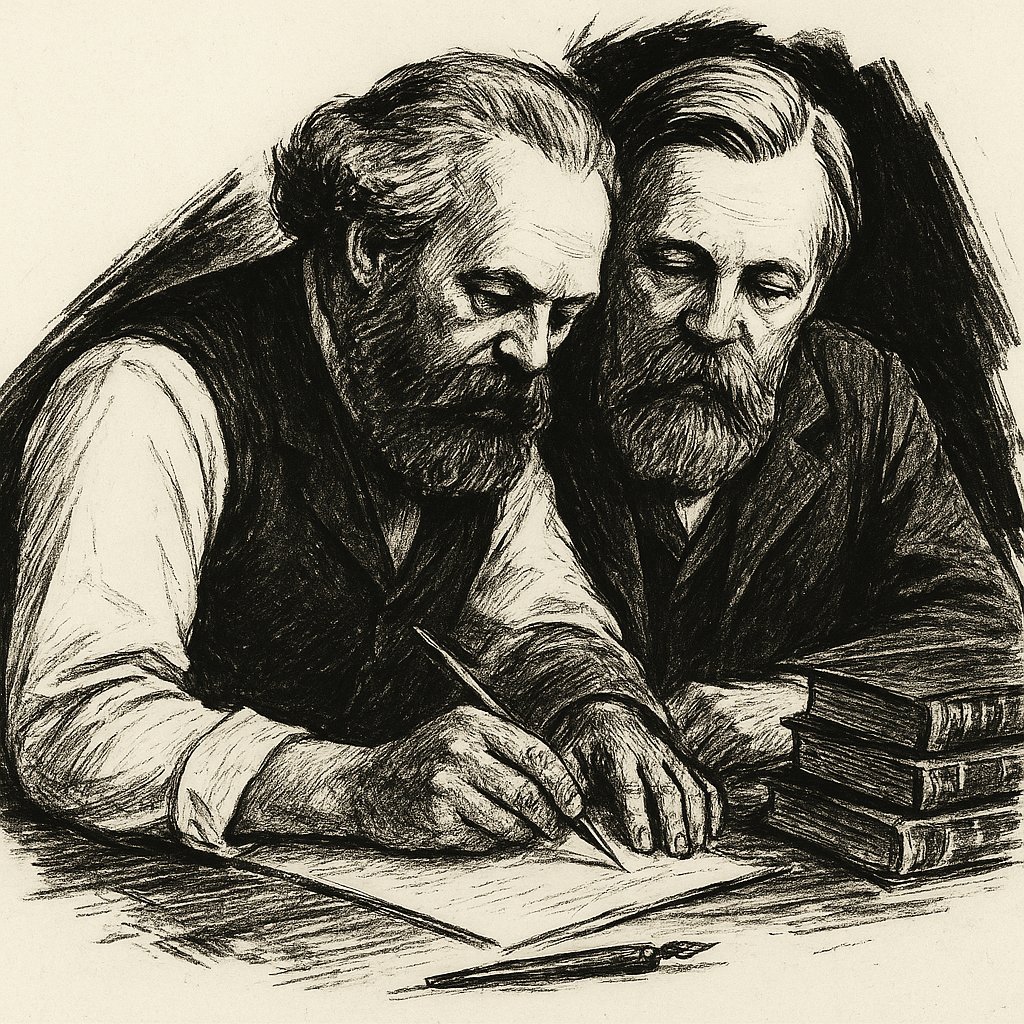
(Turkish)
I am against critique; I am for analysis. That is not a slogan, it is a method. If you are coming to this without the backstory, think of the contrast this way. Critique is a performance that polices posture and pronounces judgments; analysis is the slower work of tracing how situations are made, maintained, and paid for. Critique loves the clean line and the righteous tone; analysis accepts the mess of causation, incentives, institutions, and consequences. My argument is simple enough to state and hard enough to practice: the cultural comfort that attaches to the identity of ‘being critical’ has become an infantile refuge. It is a nursery of self-congratulation that mistakes curated disapproval for transformation. I call this formation Hypocritique. I refuse it in favor of analysis.
The moment that fixed this contrast in public, for me, came at the Frankfurt Book Fair in October 2023. The opening ceremony was already tense because a prize for the Palestinian novelist Adania Shibli had been pulled. Žižek took the stage, condemned Hamas’s massacres, and in the same breath insisted that the Palestinian side of the story had been erased. The hall erupted in interruptions. He then named the mood in the room with a line that traveled quickly through German media and social feeds: criticism is free but analysis is forbidden. ‘Analyseverbot’ was not a clever jab about manners. It captured a rule I had watched harden for years across institutions and debates: one may pronounce moral verdicts at full volume, but one must not follow uncomfortable chains of determination—who set what conditions, which actors benefit, where procedures bind, how incentives accumulate. Frankfurt did not invent that rule; it dramatized it. The video of those minutes and the coverage that followed are not scenery but evidence.
The wider context makes the stakes clearer still. After October 7, Israel’s war in Gaza produced mass expulsions and displacements on a scale that warrants the objective designation Second Nakba. This is not a rhetorical prop but a description of a material process. Meanwhile, the corridor for analysis narrowed: efforts to trace mechanisms, responsibilities, and institutional incentives were treated as indecent, while moral posturing passed unchallenged. Analyseverbot was not a quirk of one stage but the rule of a larger game.
This is where Hypocritique enters. I use the word to name a recurrent arrangement of satisfactions. Hypocritique is the refusal to get one’s hands dirty, coupled with a steady harvest of secondary gains from the construction of a critical identity. It thrives in climates where renunciation is prestigious and display is rewarded. It offers prestige for restraint, safety for the right tone, and a standing ovation for saying less than would be required to change anything. In that sense Hypocritique is not a doctrine but a symptom-formation: a way of converting deprivation into gratification. It makes a virtue of refusing analysis and then lives off the virtue.
The detective work begins in August 2022. Žižek’s book Surplus-Enjoyment is publicly on record as installing an old hinge with new emphasis: that critique, to be worthy of the name, must be a critique of critique. He ties this to Marx and Engels’s subtitle to The Holy Family: ‘critique of critical criticism’. The phrase appears in the text; the index flags The Holy Family; the chapter glosses the operation as Hegel’s basic lesson. Nothing about this is esoteric. What matters is how that hinge got put back to work at that moment. Months before the book appeared, on January 2, 2022, I sent Žižek a short email with two texts. (Religion vs. Analysis: Grateful Although Envious vs. Grateful Because Envious, From hypo-critical reason to hippo-queery-tickle reason: Just a dream → A just dream → Adjust dream) I argued that the contemptuous ‘it’s only a dream’ is censorship disguised as critique and that analysis, properly so called, eliminates the posture of criticism. I then located the object of Marx and Engels’s satire not in ‘religion’ as such but in the hypocrisy of its critique, hence the ‘critique of critical criticism’. Žižek’s reply was enthusiastic. That exchange was purely by email; there was no public posting. The point that is public, and therefore sufficient for my case, is that the exact hinge I had pressed in January—The Holy Family—is typeset months later in Surplus-Enjoyment without any acknowledgment of my nudge. I am not dramatizing theft. I am describing how Hypocritique metabolizes specificity: a precise contribution is absorbed, its source disappears, and the performance continues as if the hinge had always been there in precisely that way.
Fairness compels a distinction that also strengthens my case. In the very chapter where he installs the ‘critique of critique’ hinge without naming me, Žižek does cite me for a different argument—my paper ‘Exigency and Enjoyment’. He acknowledges that text while bypassing the nudge that placed The Holy Family hinge in his hand. That asymmetry matters. It shows that he was not unable to credit me; he simply credited me on the other reason and left the decisive hinge unattributed. This is exactly what Hypocritique looks like when it ‘feels at home’: it keeps the pleasing decorum of selective acknowledgment while leaving untouched the mechanism that actually organizes the room.
If you widen the frame, the absorption becomes even easier to understand. In 2012, Frank Ruda had already played a tongue-twister on the same material with ‘The Speculative Family, or: Critique of the Critical Critique of Critique’. That title announces the milieu’s taste for multiplying ‘critique’ into an in-joke. The journal Crisis & Critique would soon carry that taste forward. In such a circle, even a well-aimed nudge can be dissolved into ambiance. This is not an exoneration; it is a mechanism. The more a style becomes a house style, the more it can take in and keep only what flatters the house.
The Holy Family of Hypocritique: How Crisis & Critique’s
Pact of Analyseverbot Neutralizes Žižek
Now roll forward to late August 2025. Crisis & Critique publishes a 450-page special issue dedicated to Žižek. A few days later, the editors release a podcast conversation with him about the volume. What he says there matters for the chain of custody. He announces that the word ‘critique’ has become problematic for him and then offers a neat moral that has since been passed around as if it resolved something: for him, critique should not be opposed to analysis. He then supplies a flourish that gives the game away. Whenever he hears the word ‘critique’, he reaches for the young Marx. The flourish works as a riff, but it quietly bypasses the exact relay he himself printed in 2022: the Holy Family subtitle ‘critique of critical criticism’—the precise hinge I had placed under his hand in January 2022. By 2025, a vague ‘young Marx’ atmosphere replaces the textual hinge, and the memorable moral that ‘critique shouldn’t be opposed to analysis’ floats free of the earlier rigor. That is a tidy non sequitur. It moves from the place where analysis would have to name its sources and trace their work to a place where a mood suffices.
The episode ends with a flourish that has been quoted because it is catchy and because it is revealing. Žižek says that with other journals he does not feel at home; only with Crisis & Critique does he feel truly at home, and he jokes that saying so sounds almost fascist. Nothing about feeling at home is fascistic. The more accurate diagnosis is mine: it is infantile. Feeling at home is a libidinal arrangement. It is the nursery where Hypocritique is most at ease, because being at home guarantees the caretaking that Hypocritique needs. In my subsequent text I named this caretaking ‘Interlectural Motheration’: the way a circle cradles its own discourse, strokes its renunciations, and lulls its members into thinking that the performance of restraint is already the substance of thought. In that space, analysis is forever deferred to the next meeting, the next issue, the next panel, while the applause tracks how gently one held the family china.
To someone new to these names, why does any of this matter. Because the distinction between critique and analysis is not an academic parlor game; it is what decides whether conflicts get curated or changed. Critique, as it functions in Hypocritique, is a technology for keeping antagonism beautiful and safely unresolved, letting everyone go home with clean hands and a sense of moral clarity while institutions run as before. Analysis, by contrast, asks unglamorous questions that spoil the mood. What, concretely, turned the Frankfurt stage into a theater of prohibition. Which editorial schedules, venue controls, and security protocols made ‘Analyseverbot’ not only sayable but enforceable in that room. Which organizational and financial incentives decide who is amplified and who is muted. How were the decisions that produced the Second Nakba organized across ministries, militaries, donors, contractors, and NGOs, and how have those decisions been routinized. These are not metaphysical questions. They are institutional, logistical, and economic. They require calendars, budgets, bylaws, staffing charts, procurement trails, and governing statutes, not tongues that can twist ‘critique’ four times fast.
Freud helps here not because everything is about sex but because symptoms survive by paying. A symptom persists when it secures satisfactions that are easier to keep than to give up. Hypocritique pays richly. It confers prestige for the display of renunciation. It protects reputations through carefully staged modesty. It grants institutional shelter to insiders who speak with the right mixture of severity and tact. These are the secondary gains that make Hypocritique feel like home. And this is why the rebuttal to the ‘almost fascist’ jest must be both sharper and colder: the home in question is not a camp, it is a crib. The problem is not ideology; it is infancy.
If I sound severe about ‘critique’, it is because I know the cost of coddling it. I have watched carefully placed nudges disappear into a house style. I have seen a precise hinge—‘critique of critique’—typeset without acknowledgment and then, three years later, replaced by a vaguer gesture to the ‘young Marx’ while the new moral, that critique should not be opposed to analysis, is treated as if it ended the argument. It does not end anything. It dissolves a problem in the bathwater of familiarity. And as long as the bath is warm and the family is pleased, analysis will continue to be told to wait its turn.
So I will repeat my method in the plainest terms I can manage. I am against critique; I am for analysis. I am against the moral performance that takes the place of work. I am for the chain of determinations that ties discourse to procedure and procedure to outcome. I am against the nursery where we soothe one another with the feeling of being at home. I am for the workshop where we surrender at least one secondary gain and find, in that loss, the material leverage that lets something change. If you want a test of whether a conversation has left Hypocritique, here it is. Did anyone give up a payoff. Did any decision rule become crisper. Did any calendar get shorter. Did any budget line move. If not, then whatever was said was a lullaby, however stern its words.
There is a program that follows from this, and it is not theatrical. Keep analysis in the room even when it is punished for arriving. Refuse to spiritualize problems that are procedural. Treat the elegant reluctances of Hypocritique as comforts to be given up, not as virtues to be admired. And when someone tells you that critique should not be opposed to analysis, ask them where, exactly, analysis will be allowed to begin. Ask for the hinge, not the mood. Ask for the names, the dates, the bylaws, the institutional levers, the costs, and the consequences. That is how a prohibition loosens. That is how a lock yields. That is how a culture that rewards the posture of critique can be made to accept the work of analysis.
Slavojs Sich-Zu-Hause-Fühlen in der Hypocritique ist nicht faschistisch, es ist nur infantil!
Ich bin gegen Kritik; ich bin für Analyse. Das ist kein Slogan, es ist eine Methode. Wenn du ohne die Vorgeschichte hierzu kommst, denke den Gegensatz folgendermaßen. Kritik ist eine Aufführung, die Haltung überwacht und Urteile ausspricht; Analyse ist die langsamere Arbeit, zu verfolgen, wie Situationen gemacht, aufrechterhalten und bezahlt werden. Kritik liebt die saubere Linie und den gerechten Ton; Analyse akzeptiert das Durcheinander von Kausalität, Anreizen, Institutionen und Folgen. Mein Argument ist einfach genug zu sagen und schwer genug zu praktizieren: Der kulturelle Komfort, der an die Identität des ‘kritisch zu sein’ gekoppelt ist, ist zu einer infantilen Zuflucht geworden. Es ist eine Kinderstube der Selbstbeglückwünschung, die kuratierte Missbilligung mit Transformation verwechselt. Ich nenne diese Formation Hypocritique. Ich lehne sie zugunsten der Analyse ab.
Der Moment, der diesen Gegensatz für mich öffentlich festschrieb, kam auf der Frankfurter Buchmesse im Oktober 2023. Die Eröffnungsfeier war bereits angespannt, weil ein Preis für die palästinensische Romanautorin Adania Shibli zurückgezogen worden war. Žižek betrat die Bühne, verurteilte die Massaker der Hamas und beharrte im selben Atemzug darauf, dass die palästinensische Seite der Geschichte ausgelöscht worden sei. Im Saal kam es zu Zwischenrufen. Er benannte dann die Stimmung im Raum mit einer Zeile, die sich rasch durch deutsche Medien und soziale Feeds verbreitete: Kritik ist frei, aber Analyse ist verboten. ‚Analyseverbot‘ war kein cleverer Seitenhieb auf Umgangsformen. Es erfasste eine Regel, deren Verhärtung ich über Jahre hinweg in Institutionen und Debatten beobachtet hatte: Man darf moralische Urteile in voller Lautstärke aussprechen, aber man darf unbequemen Bestimmungsketten nicht nachgehen—wer welche Bedingungen gesetzt hat, welche Akteure profitieren, wo Verfahren binden, wie sich Anreize akkumulieren. Frankfurt hat diese Regel nicht erfunden; es hat sie dramatisiert. Das Video dieser Minuten und die folgende Berichterstattung sind kein Szenenbild, sondern Belege.
Der weitere Kontext macht die Tragweite noch klarer. Nach dem 7. Oktober brachte Israels Krieg in Gaza Massenvertreibungen und Umsiedlungen in einem Ausmaß hervor, das die objektive Bezeichnung Zweite Nakba rechtfertigt. Das ist kein rhetorisches Requisit, sondern die Beschreibung eines materiellen Prozesses. Unterdessen verengte sich der Korridor für Analyse: Bemühungen, Mechanismen, Verantwortlichkeiten und institutionelle Anreize nachzuzeichnen, galten als unziemlich, während moralische Pose unangefochten durchging. Analyseverbot war keine Marotte einer Bühne, sondern die Regel eines größeren Spiels.
Hier tritt Hypocritique ein. Ich verwende das Wort, um eine wiederkehrende Anordnung von Befriedigungen zu benennen. Hypocritique ist die Weigerung, sich die Hände schmutzig zu machen, gekoppelt mit einer stetigen Ernte von sekundären Gewinnen aus der Konstruktion einer kritischen Identität. Sie gedeiht in Klimata, in denen Verzicht prestigeträchtig ist und Zurschaustellung belohnt wird. Sie bietet Prestige für Zurückhaltung, Sicherheit für den richtigen Ton und stehende Ovationen dafür, weniger zu sagen, als nötig wäre, um irgendetwas zu verändern. In diesem Sinne ist Hypocritique keine Doktrin, sondern eine Symptombildung: eine Weise, Entbehrung in Befriedigung umzuwandeln. Sie macht eine Tugend daraus, Analyse zu verweigern, und lebt dann von dieser Tugend.
Die Detektivarbeit beginnt im August 2022. Žižeks Buch Surplus-Enjoyment ist öffentlich dokumentiert als das Einsetzen eines alten Scharniers mit neuer Betonung: nämlich dass Kritik, um des Namens würdig zu sein, eine Kritik der Kritik sein muss. Er bindet dies an den Untertitel von Marx und Engels zu The Holy Family: ‘Kritik der kritischen Kritik’. Die Wendung erscheint im Text; das Register markiert The Holy Family; das Kapitel glossiert die Operation als Hegels Grundlektion. Nichts daran ist esoterisch. Wichtig ist, wie dieses Scharnier in diesem Moment wieder in Arbeit gesetzt wurde. Monate bevor das Buch erschien, am 2. Januar 2022 schickte ich Žižek eine kurze E-Mail mit zwei Texten. (Religion vs. Analysis: Grateful Although Envious vs. Grateful Because Envious, From hypo-critical reason to hippo-queery-tickle reason: Just a dream → A just dream → Adjust dream) Ich argumentierte, dass das verächtliche ‘Es ist nur ein Traum’ Zensur ist, die sich als Kritik tarnt, und dass Analyse, im eigentlichen Sinne, die Haltung der Kritik eliminiert. Dann verortete ich das Objekt der Satire von Marx und Engels nicht in der ‘Religion’ als solcher, sondern in der Heuchelei ihrer Kritik, daher die ‘Kritik der kritischen Kritik’. Žižeks Antwort war enthusiastisch. Dieser Austausch lief ausschließlich per E-Mail; es gab keine öffentliche Veröffentlichung. Der Punkt, der öffentlich ist und daher für meinen Fall ausreicht, ist, dass das genaujenige Scharnier, das ich im Januar gedrückt hatte—The Holy Family—Monate später in Surplus-Enjoyment gesetzt ist, ohne irgendeine Anerkennung meines Anstoßes. Ich dramatisiere keinen Diebstahl. Ich beschreibe, wie Hypocritique Spezifität metabolisiert: Ein präziser Beitrag wird absorbiert, seine Quelle verschwindet, und die Aufführung geht weiter, als ob das Scharnier immer schon genau so dort gewesen wäre.
Fairness erzwingt eine Unterscheidung, die meinen Fall zugleich stärkt. In eben jenem Kapitel, in dem er das ‘Kritik der Kritik’-Scharnier installiert, ohne mich zu nennen, zitiert Žižek mich für ein anderes Argument—meinen Aufsatz ‘Exigency and Enjoyment’. Er anerkennt diesen Text, während er den Anstoß umgeht, der ihm das The Holy Family-Scharnier in die Hand gelegt hatte. Diese Asymmetrie ist bedeutsam. Sie zeigt, dass er nicht unfähig war, mir Anerkennung zu geben; er hat mir schlicht aus einem anderen Grund Anerkennung gegeben und das entscheidende Scharnier unattributiert gelassen. Genau so sieht Hypocritique aus, wenn sie sich ‘zu Hause’ fühlt: Sie bewahrt das angenehme Dekorum selektiver Anerkennung, während sie den Mechanismus unangetastet lässt, der den Raum tatsächlich organisiert.
Wenn man den Rahmen weitet, wird die Absorption noch leichter zu verstehen. 2012 hatte Frank Ruda bereits einen Zungenbrecher auf demselben Material gespielt mit ‘The Speculative Family, or: Critique of the Critical Critique of Critique’. Dieser Titel kündigt den Geschmack des Milieus an, ‘Kritik’ zu vervielfachen, bis es zum Insiderwitz wird. Die Zeitschrift Crisis & Critique sollte diesen Geschmack bald weitertragen. In einem solchen Kreis kann selbst ein gut gezielter Anstoß ins Ambiente aufgelöst werden. Das ist keine Entlastung; es ist ein Mechanismus. Je mehr ein Stil zum Hausstil wird, desto mehr kann er aufnehmen und nur behalten, was das Haus schmeichelt.
Die heilige Familie der Hypocritique: Wie der Pakt von Crisis & Critique
des Analyseverbots Žižek neutralisiert
Spulen wir nun vor bis Ende August 2025. Crisis & Critique veröffentlicht ein 450-seitiges Sonderheft, das Žižek gewidmet ist. Wenige Tage später veröffentlichen die Herausgeber eine Podcast-Unterhaltung mit ihm über den Band. Was er dort sagt, ist für die Beweiskette bedeutsam. Er erklärt, dass das Wort ‘Kritik’ für ihn problematisch geworden sei, und bietet dann eine hübsche Moral an, die seither herumgereicht wird, als ob sie etwas gelöst hätte: Für ihn solle Kritik nicht der Analyse entgegengesetzt werden. Er liefert dann eine Zierde, die das Spiel verrät. Wann immer er das Wort ‘Kritik’ hört, greife er zum jungen Marx. Die Zierde funktioniert als Riff, übergeht aber still die genaue Übergabestelle, die er selbst 2022 gedruckt hat: den Holy Family-Untertitel ‘Kritik der kritischen Kritik’—das präzise Scharnier, das ich ihm im Januar 2022 unter die Hand gelegt hatte. Bis 2025 ersetzt eine vage ‘junger Marx’-Atmosphäre das textuelle Scharnier, und die merkfähige Moral, dass ‘Kritik nicht der Analyse entgegengesetzt werden solle’, schwebt frei von der früheren Strenge. Das ist ein sauberer Non Sequitur. Es bewegt sich von dem Ort, an dem Analyse ihre Quellen benennen und ihre Arbeit nachzeichnen müsste, an einen Ort, an dem eine Stimmung genügt.
Die Episode endet mit einer Zierde, die zitiert wurde, weil sie eingängig und weil sie aufschlussreich ist. Žižek sagt, dass er sich bei anderen Zeitschriften nicht zu Hause fühle; nur bei Crisis & Critique fühle er sich wirklich zu Hause, und er scherzt, dass es fast faschistisch klinge, das zu sagen. Nichts am Sich-Zu-Hause-Fühlen ist faschistisch. Die genauere Diagnose ist meine: Es ist infantil. Sich zu Hause zu fühlen ist eine libidinöse Anordnung. Es ist die Kinderstube, in der Hypocritique sich am wohlsten fühlt, weil das Zu-Hause-Sein die Betreuung garantiert, die Hypocritique braucht. In meinem anschließenden Text nannte ich diese Betreuung ‚Interlectural Motheration‘: die Weise, wie ein Kreis seinen eigenen Diskurs wiegt, seine Verzichte streichelt und seine Mitglieder in den Glauben einlullt, die Aufführung der Zurückhaltung sei bereits der Gehalt des Denkens. In diesem Raum wird Analyse immer auf das nächste Treffen, das nächste Heft, das nächste Panel verschoben, während der Applaus nachzeichnet, wie sanft man das gute Familienporzellan gehalten hat.
Für jemanden, der neu bei diesen Namen ist, warum das alles von Belang ist. Weil die Unterscheidung zwischen Kritik und Analyse kein akademisches Gesellschaftsspiel ist; sie entscheidet darüber, ob Konflikte kuratiert oder verändert werden. Kritik, so wie sie in der Hypocritique funktioniert, ist eine Technologie, die Antagonismus schön und sicher ungelöst hält, sodass alle mit sauberen Händen und einem Gefühl moralischer Klarheit nach Hause gehen, während Institutionen weiterlaufen wie zuvor. Analyse hingegen stellt unglamouröse Fragen, die die Stimmung verderben. Was, konkret, machte die Frankfurter Bühne zu einem Theater des Verbots. Welche Redaktionspläne, Ortskontrollen und Sicherheitsprotokolle machten das ‘Analyseverbot’ nicht nur sagbar, sondern in diesem Raum durchsetzbar. Welche organisatorischen und finanziellen Anreize entscheiden, wer verstärkt und wer stummgeschaltet wird. Wie wurden die Entscheidungen, die die Zweite Nakba hervorbrachten, über Ministerien, Militärs, Geldgeber, Auftragnehmer und NGOs hinweg organisiert, und wie sind diese Entscheidungen routinisiert worden. Das sind keine metaphysischen Fragen. Es sind institutionelle, logistische und ökonomische Fragen. Sie verlangen Kalender, Budgets, Satzungen, Stellenpläne, Beschaffungsnachweise und gesetzliche Grundlagen, nicht Zungen, die ‘Kritik’ viermal schnell verdrehen können.
Freud hilft hier nicht, weil alles Sex ist, sondern weil Symptome durch Bezahlung überleben. Ein Symptom hält sich, wenn es Befriedigungen sichert, die leichter zu behalten sind als aufzugeben. Hypocritique zahlt reichlich. Sie verleiht Prestige für die Schau des Verzichts. Sie schützt Reputation durch sorgfältig inszenierte Bescheidenheit. Sie gewährt institutionellen Schutz für Insider, die im richtigen Gemisch aus Strenge und Takt sprechen. Das sind die sekundären Gewinne, die Hypocritique wie Heimat erscheinen lassen. Und deshalb muss die Erwiderung auf den ‘fast faschistisch’-Scherz zugleich schärfer und kälter sein: Die Heimat in Frage ist kein Lager, sie ist ein Kinderbett. Das Problem ist nicht Ideologie; es ist Kindheit.
Wenn ich über ‘Kritik’ streng klinge, dann weil ich die Kosten kenne, sie zu bemuttern. Ich habe gesehen, wie sorgfältig platzierte Anstöße in einem Hausstil verschwinden. Ich habe gesehen, wie ein präzises Scharnier—‘Kritik der Kritik’—ohne Anerkennung gesetzt und dann, drei Jahre später, durch eine vageren Hinweis auf den ‘jungen Marx’ ersetzt wird, während die neue Moral, dass Kritik der Analyse nicht entgegengesetzt werden solle, so behandelt wird, als beende sie das Argument. Sie beendet gar nichts. Sie löst ein Problem im Badewasser der Vertrautheit auf. Und solange das Bad warm ist und die Familie zufrieden, wird der Analyse weiterhin gesagt werden, sie solle warten, bis sie an der Reihe ist.
Also wiederhole ich meine Methode so schlicht, wie ich es vermag. Ich bin gegen Kritik; ich bin für Analyse. Ich bin gegen die moralische Aufführung, die die Arbeit ersetzt. Ich bin für die Kette von Bestimmungen, die Diskurs an Verfahren und Verfahren an Ergebnis bindet. Ich bin gegen die Kinderstube, in der wir einander mit dem Gefühl, zu Hause zu sein, beruhigen. Ich bin für die Werkstatt, in der wir mindestens einen sekundären Gewinn aufgeben und in diesem Verlust den materiellen Hebel finden, der etwas ändern lässt. Wenn du einen Test willst, ob ein Gespräch die Hypocritique verlassen hat, hier ist er. Hat irgendwer einen Ertrag aufgegeben. Ist irgendeine Entscheidungsregel schärfer geworden. Ist irgendein Kalender kürzer geworden. Hat sich irgendeine Budgetposition bewegt. Wenn nicht, dann war, was gesagt wurde, ein Wiegenlied, so streng seine Worte auch waren.
Daraus folgt ein Programm, und es ist nicht theatralisch. Halte die Analyse im Raum, auch wenn sie dafür bestraft wird, dass sie erscheint. Verweigere es, Probleme zu spiritualisieren, die prozedural sind. Behandle die eleganten Widerstände der Hypocritique als Bequemlichkeiten, die aufzugeben sind, nicht als Tugenden, die zu bewundern wären. Und wenn dir jemand sagt, dass Kritik der Analyse nicht entgegengesetzt werden solle, frage sie, wo, genau, der Analyse erlaubt sein wird zu beginnen. Frage nach dem Scharnier, nicht nach der Stimmung. Frage nach den Namen, den Daten, den Satzungen, den institutionellen Hebeln, den Kosten und den Konsequenzen. So lockert sich ein Verbot. So gibt ein Schloss nach. So kann eine Kultur, die die Pose der Kritik belohnt, dazu gebracht werden, die Arbeit der Analyse zu akzeptieren.

 Žižekian Analysis
[…] — Slavoj’s feeling at home in Hypocritique is not fascistic, it’s just infantile! […]
LikeLike
[…] (İngilizcesi ve Almancası) […]
LikeLike
[…] (previous: Slavoj’s feeling at home in Hypocritique is not fascistic, it’s just infantile!) […]
LikeLike
[…] (previous: Slavoj’s feeling at home in Hypocritique is not fascistic, it’s just infantile!) […]
LikeLike
[…] (previous: Slavoj’s feeling at home in Hypocritique is not fascistic, it’s just infantile!) […]
LikeLike
[…] deepened around two scenes that should have pulled the emergency brake and instead became décor [*]. In Frankfurt in 2023, the line about ‘criticism is free, analysis is forbidden’ named the […]
LikeLike
[…] freni çekmesi gereken iki sahne etrafında ironi derinleşti ve bunun yerine dekor oldu [*]. 2023’te Frankfurt’ta ‘eleştiri serbest, analiz yasak’ sözü, yasağı bizzat uygulayan […]
LikeLike
[…] that feeling at home is “fascistic.” My diagnosis is simpler and colder: it’s infantile [*]. It is how a nursery feels when every knife is polished nightly and never touches anything that […]
LikeLike
[…] Marcusian Hippocratic Oath / From hypo-critical reason to hippo-queery-tickle reason: Just a dream → A just dream → Adjust dream / Slavoj’s feeling at home in Hypocritique is not fascistic, it’s just infantile! […]
LikeLike