🦋🤖 Robo-Spun by IBF 🦋🤖
🫣🙃😏 Hypocritique 🫣🙃😏

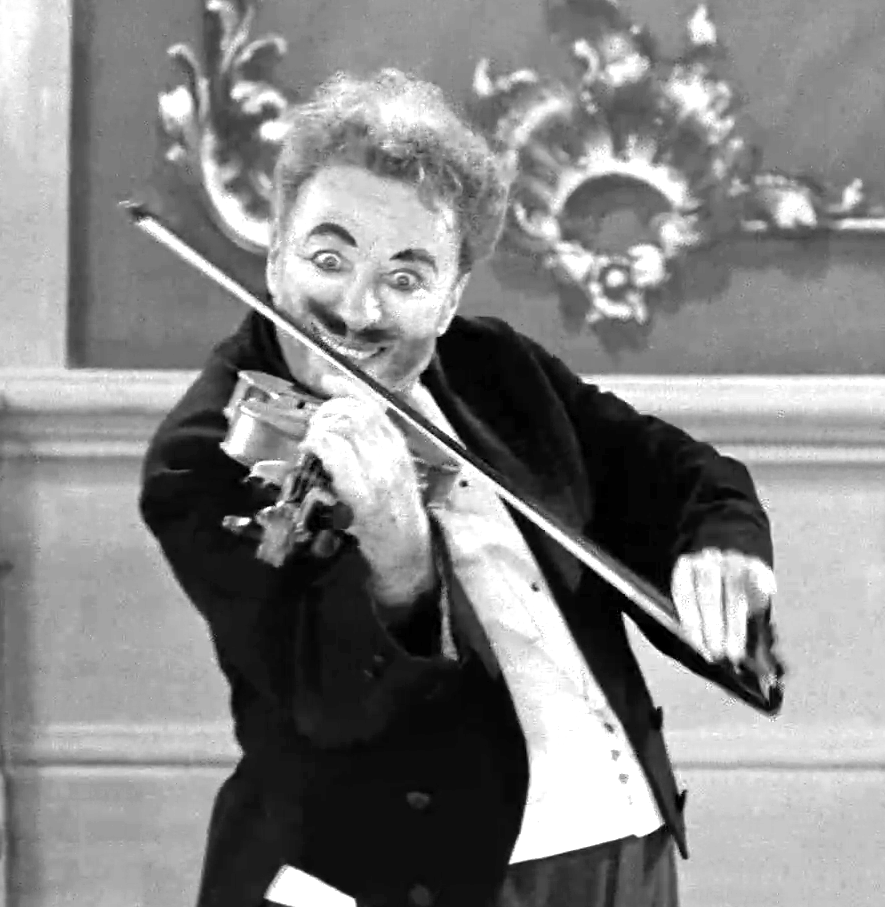
(Turkish)
(previous: Stimulationist Exoticism: Žižek’s Performative Legacy Surrendered to Resistance)
I argue, step by step and naming names, that Slavoj Žižek has been neutralized by a house style I call Hypocritique cinématique—a loop where the cynical face (“I know it’s a game, yet I play it”) licenses the bombastic face (“I know it costs dearly, yet I pay in person”), turning blue-ink pseudo-pragmatism into an alibi for red-ink theatrics. Read through The Pervert’s Guide to Cinema and Ideology, the Occupy Zuccotti speech, and the Chaplin dyad of the Tramp and Calvero, Žižek slips from maker of cuts to mascot of atmosphere: believing he has a cred-pet, he becomes someone else’s lapdog. In 2021, I showed how Nicol A. Barria-Asenjo’s editorial U-turn (with Ian Parker floated as foreword authority) reframed a collective defense of Žižek into a counter-project against him, enforcing privatized reason (“private reasons”) while demanding contributors excuse an erasure. The “human-face” styling that followed softened antagonism into managerial ethics and mood management, wearing Žižek as décor rather than risking a cut. Even as I received a private thank-you from Žižek, he publicly sailed on with Nicol, a Calvero psychology in which surplus-fame outweighs principle. By 2025, the Crisis & Critique tribute (curated by Agon Hamza and Frank Ruda, with Todd McGowan and Mladen Dolar) exhibits danger behind glass—a museum where Analyseverbot rules. My conclusion is procedural and non-negotiable: refuse privatized reason at the door, or Hypocritique cinématique will keep grooming cred-pets, petting lapdogs, and polishing knives that never cut.
“The apparent melodramatic simplicity of the final scene of Chaplin’s Limelight should not deceive us: here, also, we have the reversal of desire into drive.” —Interrogating the Real
Step One: the two faces—how a single trick runs both cynicism and bombast
Start with the formula Žižek himself popularized from psychoanalysis: “I know very well, yet…” It comes in two faces. The cynical face says, “I know it’s a game, yet I imitate playing it.” This is the sleek, professionalized transgression that I call stimulationist exoticism—you perform edge, the room gets a thrill, nothing changes [*]. The bombastic face says, “I know it demands a heavy price, yet I put my life on the line.” This is Hypocritique cinématique—cinematic bravado as moral capital. Both are illusions. Gaming is usually an excuse to pay in person later; and paying in person often turns into irrational masochism. Together they make a loop in which the first face licenses the second: you game the system (blue-ink smiles), then you grandstand your suffering (red-ink sorrow), and call the whole cycle radical.
“The tramp figures as the spot disturbing the picture, as a kind of blot on the white marble surface of the statue: in the Lacanian perspective, the subject is strictly correlative to this stain on the picture.” —Enjoy Your Symptom!
To see the loop in action, rewatch the final moments of The Pervert’s Guide to Cinema (2006). Žižek closes by identifying with Charlie Chaplin’s “City Lights” ending: the once-blind flower girl now sees the tramp who helped her [*]. In Žižek’s hands that scene becomes the double anxiety of any public provocateur. The cynical question—“Will she be my cred-pet?”—is the brand’s daydream. The repressed fear—“Will she take me as her lapdog?”—is the professional nightmare. These are not biographical insults; they are structural roles inside the culture industry.
“What we encounter here, again, is the condensation of field and counterfield within the same shot.” —Interrogating the Real
Step Two: the square where the story was made to feel true
When Žižek spoke at Occupy Wall Street in Zuccotti Park in 2011 he offered a memorable image [*]. The “blue ink” of smiles, he said, is free and easy, while the “red ink” of sorrow is repressed and costly. It sounded like a brave correction. In fact, it locks the loop. In our media economy smiles are curated despotism—aestheticized niceness that keeps the brand safe—and sorrow is mass-market drama that feeds the algorithm. Blue-ink pseudo-pragmatism between cred-pets is an alibi for red-ink self-sacrifice, and that sacrifice often slides into masochistic service to the Phallic Woman—the idealized feminine figure who, in theory-land, stands in for a completeness no one actually has. This is what I mean by Hypocritique cinématique: cynicism greases the rails for a spectacle of “paying the price,” and the price itself becomes a product.
“The melodramatic effect always hinges on such an ignorance of the agent.” —Tarrying With The Negative
Step Three: the switch to ghosts—and which ghosts we were asked to redeem
In The Pervert’s Guide to Ideology (2012), Žižek ends by saying we must “redeem the ghosts that haunt the world.” [*] On the surface the ghost sounds like communism. But watch what he actually animates: Chaplin’s figures, the Tramp and Calvero. In his published letters with Nadya Tolokonnikova of Pussy Riot, Žižek’s pep talk gently shifts from the Tramp’s awkward courage to Calvero, the washed-up comic of “Limelight.” Calvero still jokes like the Tramp, but he drinks, staggers, cares for the young dancer Terry, and dies backstage after helping her succeed. From that point on, the libidinal casting around Žižek crystallizes: Žižek as the heartsore Calvero, Ian Parker (the British psychoanalyst) as Neville (the smug impresario), and Nicol A. Barria-Asenjo (the Chilean editor) as Terry (the cunning ingénue who loves the mentor and outlives him).
“It would be interesting to read Limelight as a film which is complementary to City Lights… The two films have thus to be approached in a Lévi-Straussian manner, as two versions of the same myth.” —Enjoy Your Symptom!
Step Four: the manifesto that sold a relationship—how activism got a “human face”
In 2021, Ian Parker and others circulated a text that read like a marketing kit for an activist relationship to psychoanalysis. Behind the slogans sat a familiar promise: “Žižek with a human face.” [*] In practice this means replacing Žižek’s hard insistence on antagonism with a warm managerial ethics. Where Žižek says “the big Other does not exist” and forces institutions to risk a cut, the “human face” literature translates everything into resource allocation, vulnerable populations, horizontal initiatives, expectation management, and mood care. The effect is not compassion; it is technocratic closure. Politics becomes a toolkit. Negativity becomes clinical hygiene. Universality becomes a dashboard.
“By way of it, a piece of reality is transformed into an amorphous stain (a white blot in the background), a stain which ‘smears over’ the entire field.” —Tarrying With The Negative
Step Five: the hijack—how an editor turned celebration into erasure and called it courage
Here I must name my own involvement (IBF). In mid-2021, Nicol A. Barria-Asenjo invited a group of us—explicitly including Slavoj Žižek—to contribute to a collective defense and celebration of Žižek’s European manifesto (“Manifesto: A Struggle of Universalities”). Seventeen days later she announced, without consultation, a “new direction”: Žižek himself was expelled and the same group was commissioned to produce a counter-response attacking that manifesto under the new title “The Real Manifesto: Non-European Responses to Slavoj Žižek.” Ian Parker was presented as the new moral ballast, slated to write a foreword against Žižek’s Eurocentrism.
“In other words, what confers upon this scene its melodramatic beauty is our—the spectators’—awareness that without knowing that he is already dead, the ballerina is dancing for it, for that stain.” —Interrogating the Real
My analysis of that pivot is public and signed: it is the superego hijack [*]. You gather a crowd in good faith, then flip the vector and dare them to leave. The “permission to criticize” is an alibi; the real demand is that everyone excuse an erasure—first Žižek’s, then their own. When I asked to see Ian Parker’s foreword before finalizing my essay—so I wouldn’t be misrepresented—Nicol told me my request was “impertinent,” informed me, “I am the one who will review those details,” and removed me from the project. When I warned Ian that his name was being used to launder an arbitrary expulsion, Nicol cried “privacy violation.” This is how privatized reason polices public consequence. My counter-principle then and now is simple: a private reason is no reason at all [*].
“We remain within the register of desire as long as the field of vision is organized by Calvero’s desire to see; we enter the register of drive the moment Calvero is reduced to a stain-object in his own picture.” —Interrogating the Real
Step Six: the “human face” in practice—how the text itself wears Žižek as décor
For readers who were not in those email chains, here is what the “human face” looks like on the page (not before a slimy squeeze, of course) [*] [*]. In Nicol’s publications with her new master, ethical crisis becomes “resource prioritization,” antagonism is softened into “vulnerable and underserved populations,” and the horizon is reframed as “learning to live with it” without ever binding a single decision to a single loss. The affective arc is professionalized: “normal panic,” adaptation, fatigue, depression—as if politics were a mental-health curve. The analysis drowns in layers: natural catastrophe, social, economic, ideological—each a compartment for consultants rather than a contradiction to cut. Universality is dissolved into region-by-region “deglobalized” particularism (a Latour-lite anthropology of micro-practices), and “participation” appears as a participatory gloss on the same managerial techniques: dashboards, sex-disaggregated datasets, children and elderly as segments, borders as exemplary fixes. Even the critique of corporate PR stays comfortably inside logistics. This is not Žižek; this is Žižek as a mask, a “human face” placed over a policy sermon.
“The only proof we have that the picture we are looking at is subjectified is not meaningful signs in it but rather the presence of some meaningless stain disturbing its harmony.” —Enjoy Your Symptom!
Step Seven: the cred-pet becomes the master, the master becomes the lapdog
From the moment I refused the hijack and made my protest public, Slavoj Žižek sent me a private note of gratitude—“strictly for your eyes only”—and then chose to proceed with Nicol A. Barria-Asenjo anyway. The advertised reason was prudence, a wish to “calm the waters.” The effective reason was surplus-fame: the glow that attaches to being everywhere at once, even in rooms where your own premises are quietly inverted. This is the core transaction of Hypocritique cinématique. The senior thinker believes he has domesticated the ambitious editor into his cred-pet, the junior figure who amplifies the brand. In practice the relation flips; the brand becomes her instrument. The editor curates the master’s aura as ambience while she sets the terms of speech and exclusion. That is why I describe this phase as Žižek’s Calvero psychology: like Chaplin’s Calvero in Limelight, the aging comic stays onstage for love of the stage, even when the staging is arranged against him. He thinks he is authorizing a pupil; he is performing as a lapdog in a house where the rules are private, the pivots are unilateral, and gratitude is embargoed to confidential emails.
“In the first film, he becomes at the end the full object of another’s gaze (and is thereby recognized as a subject), whereas in the second film he himself turns into a pure gaze.” —Enjoy Your Symptom!
Step Eight: the museum of danger—tribute without a cut
When Žižek stood at the Frankfurt Book Fair in 2023 and named the atmosphere—“criticism is free; analysis is forbidden”—the room enacted exactly that ban, the famous Analyseverbot [*]. Two years later the tribute issue devoted to Žižek by Crisis & Critique (edited by Agon Hamza and Frank Ruda, with household names like Todd McGowan and Mladen Dolar) arrived like a perfectly lit gallery [*]. Everything dangerous was exhibited [*]; nothing dangerous was done [*]. The volume placed Žižek’s discourse behind glass, circulated a curated provocation as if it were an artifact, and then added a final touch—Žižek’s own line about “feeling at home” in that circle [*]. He meant to disarm the suspicion that comfort equals capitulation; he waved away the charge that feeling at home is “fascistic.” My diagnosis is simpler and colder: it’s infantile [*]. It is how a nursery feels when every knife is polished nightly and never touches anything that bleeds. If the 2025 Crisis & Critique Žižek volume is a scene, it is Calvero’s backstage death played as triumph: applause replaces decision, atmosphere replaces artifact, and the master’s body is used as a prop that guarantees the room’s prestige while guaranteeing that nothing in the room will be cut.
“By way of [the backward tracking shot], a piece of reality is transformed into an amorphous stain (a white blot in the background), a stain around which the entire field of vision turns.” —Interrogating the Real
Step Nine: refusing privatized reason—how to stop the loop where it starts
The loop breaks only where it begins: at the moment a private will proposes to govern public consequence. When an editor like Nicol A. Barria-Asenjo executes a project-level U-turn and justifies it with “private reasons,” the refusal must be immediate and collective; otherwise everyone is drafted into the work of excusing erasure. When a senior figure like Ian Parker is enlisted to provide the moral ballast for that pivot, he must withhold his foreword until the rationale, the vote, and the editorial terms are published in black and white, so that those who refuse can keep their texts without penalty. When journals curated by Agon Hamza and Frank Ruda invoke the crack or the cut, they must bind each word to one concrete rule that changes who speaks, who decides, or who pays—otherwise the crack is perfume and the cut is choreography. And when Slavoj Žižek himself writes “thank you” to me in private while proceeding in public as if nothing happened, he must reverse the ratio: the thanks, the refusal, and the criteria must be stated in public, while private sentiment can remain private. This is not heroism; it is procedure. Without procedure, Hypocritique cinématique keeps its two faces intact. The blue-ink of cynical professionalism (“we’re only managing expectations”) remains the alibi for the red-ink of bombastic self-sacrifice (“we’re paying a heavy price”), and the price itself becomes content.
“One makes oneself seen precisely to this third point, to the gaze capable of embracing field and counter-field, i.e., capable of perceiving in me also my shadowy double, what is in me more than myself, the object small a.” —Tarrying With The Negative
I end where I began, naming names so that analysis does not dissolve into mood. Nicol A. Barria-Asenjo perfected a workflow in which “authors” are instruments of an editor’s private will. Ian Parker allowed his authority to be brand-managed as a foreword that licenses a reversal no one voted for. Agon Hamza and Frank Ruda presided over a museum where danger is mounted on the wall. Todd McGowan and Mladen Dolar lent the sheen of continuity that makes such museums feel like home. And Slavoj Žižek—the man who taught us to tarry with negativity—accepted the staging long enough for the staging to define him. My maxim against that staging is deliberately boring and stubborn because the enemy is exciting and slippery: a private reason is no reason at all. If the reason cannot be written where everyone can read it, the project is not a commons but a theater; and in that theater, the cred-pet will always be groomed, the lapdog will always be petted, and the knives will always gleam without ever cutting the thing that matters [*].
“It is this stain, this white smudge in the background, which guarantees the sense of the scene.” —Tarrying With The Negative
(next: ‘Draw the laughers to your side’: Comedy, narcissism, and the depressive cliff in Freud and Žižek)
Žižeks Hypocritique Cinématique: Sein Cred-Haustier als Schoßhund
(vorherige: Stimulationistische Exotisierung: Žižeks performatives Vermächtnis dem Widerstand überantwortet)
Ich argumentiere, Schritt für Schritt und mit Namensnennung, dass Slavoj Žižek durch einen Hausstil neutralisiert worden ist, den ich Hypocritique cinématique nenne—eine Schleife, in der das zynische Gesicht („Ich weiß, es ist ein Spiel, und doch spiele ich mit“) das bombastische Gesicht autorisiert („Ich weiß, es kostet teuer, und doch zahle ich persönlich“), wobei Pseudo-Pragmatismus in blauer Tinte in ein Alibi für Theatralik in roter Tinte verwandelt wird. Gelesen durch The Pervert’s Guide to Cinema und Ideology, die Occupy-Zuccotti-Rede und die Chaplin-Dyade aus dem Tramp und Calvero, gleitet Žižek vom Macher von Schnitten zum Maskottchen der Atmosphäre: Im Glauben, er habe ein Cred-Haustier, wird er zum Schoßhund eines anderen. Im Jahr 2021 zeige ich, wie der redaktionelle U-Turn von Nicol A. Barria-Asenjo (mit Ian Parker als vorangekündigter Vorwort-Autorität) eine kollektive Verteidigung Žižeks in ein Gegenprojekt gegen ihn umrahmte, privatisierte Vernunft („private Gründe“) durchsetzte und zugleich von den Beitragenden verlangte, eine Auslöschung zu entschuldigen. Das darauf folgende Styling mit „menschlichem Gesicht“ weicht Antagonismus in eine Management-Ethik und Stimmungssteuerung auf, trägt Žižek als Dekor statt einen Schnitt zu riskieren. Während ich von Žižek privat ein Dankeschön erhielt, segelte er öffentlich mit Nicol weiter—eine Calvero-Psychologie, in der Überschuss-Ruhm Prinzipien überwiegt. Bis 2025 zeigt die Crisis & Critique-Hommage (kuratiert von Agon Hamza und Frank Ruda, mit Todd McGowan und Mladen Dolar) Gefahr hinter Glas—ein Museum, in dem Analyseverbot herrscht. Mein Schluss ist prozedural und nicht verhandelbar: Privatisierte Vernunft an der Tür zurückweisen, sonst wird Hypocritique cinématique weiter Cred-Haustiere frisieren, Schoßhunde streicheln und Messer polieren, die nie schneiden.
„Die scheinbar melodramatische Einfachheit der Schlussszene von Chaplins ‘Limelight’ sollte uns nicht täuschen: Auch hier haben wir die Umkehrung von Begehren in Trieb.“ —Interrogating the Real
Schritt Eins: die zwei Gesichter—wie ein einziger Trick sowohl Zynismus als auch Bombast antreibt
Beginnen wir mit der Formel, die Žižek selbst aus der Psychoanalyse popularisiert hat: „Ich weiß sehr wohl, und doch…“ Sie erscheint in zwei Gesichtern. Das zynische Gesicht sagt: „Ich weiß, es ist ein Spiel, und doch imitiere ich, es zu spielen.“ Das ist die glatte, professionalisierte Übertretung, die ich stimulationistische Exotisierung nenne—man performt Kante, der Raum bekommt einen Kick, nichts ändert sich [*]. Das bombastische Gesicht sagt: „Ich weiß, es fordert einen hohen Preis, und doch setze ich mein Leben aufs Spiel.“ Das ist Hypocritique cinématique—filmische Bravour als moralisches Kapital. Beide sind Illusionen. Gamen ist meist ein Vorwand, später persönlich zu zahlen; und persönlich zu zahlen kippt oft in irrationalen Masochismus. Zusammen bilden sie eine Schleife, in der das erste Gesicht das zweite lizenziert: Man spielt das System aus (Blautinten-Lächeln), dann stellt man sein Leiden zur Schau (Rottinten-Trauer) und nennt den ganzen Zyklus radikal.
„Der Tramp erscheint als der Fleck, der das Bild stört, als eine Art Klecks auf der weißen Marmoroberfläche der Statue: In der lakanischen Perspektive ist das Subjekt streng korrelativ zu diesem Fleck im Bild.“ —Enjoy Your Symptom!
Um die Schleife in Aktion zu sehen, schauen Sie die Schlussmomente von The Pervert’s Guide to Cinema (2006) noch einmal. Žižek schließt, indem er sich mit dem Ende von Charlie Chaplins ‘City Lights’ identifiziert: Das einst blinde Blumenmädchen sieht nun den Tramp, der ihr geholfen hat [*]. In Žižeks Händen wird diese Szene zur doppelten Angst jedes öffentlichen Provokateurs. Die zynische Frage—„Wird sie mein Cred-Haustier sein?“—ist der Tagtraum der Marke. Die verdrängte Furcht—„Wird sie mich als ihren Schoßhund nehmen?“—ist der berufliche Albtraum. Das sind keine biographischen Beleidigungen; es sind strukturelle Rollen innerhalb der Kulturindustrie.
„Was wir hier wiederum antreffen, ist die Kondensation von Feld und Gegenfeld in derselben Einstellung.“ —Interrogating the Real
Schritt Zwei: der Platz, an dem die Geschichte als wahr fühlbar gemacht wurde
Als Žižek 2011 im Zuccotti Park bei Occupy Wall Street sprach, bot er ein einprägsames Bild an [*]. Die „blaue Tinte“ des Lächelns, sagte er, sei frei und leicht, während die „rote Tinte“ der Trauer verdrängt und teuer sei. Das klang wie eine mutige Korrektur. Tatsächlich verriegelt es die Schleife. In unserer Medienökonomie sind Lächeln kuratierter Despotismus—ästhetisierte Nettigkeit, die die Marke schützt—und Trauer ist Massenmarktdrama, das den Algorithmus füttert. Pseudo-Pragmatismus in blauer Tinte zwischen Cred-Haustieren ist ein Alibi für Selbstopfer in roter Tinte, und dieses Opfer gleitet oft in masochistischen Dienst an der phallischen Frau—die idealisierte weibliche Figur, die im Theorie-Land für eine Vollständigkeit einsteht, die niemand tatsächlich hat. Das ist es, was ich mit Hypocritique cinématique meine: Zynismus schmiert die Schienen für ein Spektakel des „den Preis Zahlens“, und der Preis selbst wird zum Produkt.
„Der melodramatische Effekt hängt immer an einer solchen Unwissenheit des Agens.“ —Tarrying With The Negative
Schritt Drei: der Wechsel zu Gespenstern—und welche Gespenster wir erlösen sollten
In The Pervert’s Guide to Ideology (2012) schließt Žižek mit der Aussage, wir müssten „die Gespenster erlösen, die die Welt heimsuchen“ [*]. An der Oberfläche klingt das Gespenst wie der Kommunismus. Aber sehen Sie, was er tatsächlich animiert: Chaplins Figuren, den Tramp und Calvero. In seinen veröffentlichten Briefen mit Nadya Tolokonnikova von Pussy Riot verschiebt sich Žižeks Anfeuerungsrede sanft vom ungelenken Mut des Tramps zu Calvero, dem abgehalfterten Komiker aus ‘Limelight.’ Calvero witzelt noch wie der Tramp, aber er trinkt, taumelt, sorgt für die junge Tänzerin Terry und stirbt hinter der Bühne, nachdem er ihr zum Erfolg verholfen hat. Von da an kristallisiert sich die libidinöse Besetzung um Žižek: Žižek als der herzensleidende Calvero, Ian Parker (der britische Psychoanalytiker) als Neville (der selbstzufriedene Impresario) und Nicol A. Barria-Asenjo (die chilenische Herausgeberin) als Terry (die gewiefte Debütantin, die den Mentor liebt und ihn überlebt).
„Es wäre interessant, ‘Limelight’ als einen Film zu lesen, der ‘City Lights’ komplementär ist… Die beiden Filme sind demnach in Lévi-Strauss’scher Manier zu betrachten, als zwei Versionen desselben Mythos.“ —Enjoy Your Symptom!
Schritt Vier: das Manifest, das eine Beziehung verkaufte—wie Aktivismus ein „menschliches Gesicht“ bekam
Im Jahr 2021 zirkulierten Ian Parker und andere einen Text, der wie ein Marketing-Kit für ein aktivistisches Verhältnis zur Psychoanalyse klang. Hinter den Slogans stand ein vertrautes Versprechen: „Žižek mit menschlichem Gesicht.“ [*] In der Praxis heißt das, Žižeks harte Beharrlichkeit auf Antagonismus durch eine warme Management-Ethik zu ersetzen. Wo Žižek sagt „der große Andere existiert nicht“ und Institutionen zwingt, einen Schnitt zu riskieren, übersetzt die Literatur mit „menschlichem Gesicht“ alles in Ressourcenzuteilung, vulnerable Populationen, horizontale Initiativen, Erwartungsmanagement und Stimmungspflege. Die Wirkung ist nicht Mitgefühl; sie ist technokratischer Verschluss. Politik wird zum Werkzeugkasten. Negativität wird zu klinischer Hygiene. Universalität wird zu einem Dashboard.
„Hierdurch wird ein Stück Realität in einen amorphen Fleck verwandelt (einen weißen Klecks im Hintergrund), einen Fleck, der das gesamte Feld ‘verschmiert’.“ —Tarrying With The Negative
Schritt Fünf: die Übernahme—wie eine Herausgeberin eine Feier in eine Auslöschung verwandelte und es Mut nannte
Hier muss ich meine eigene Beteiligung benennen. Mitte 2021 lud Nicol A. Barria-Asenjo eine Gruppe von uns—ausdrücklich einschließlich Slavoj Žižek—ein, zu einer kollektiven Verteidigung und Feier von Žižeks europäischem Manifest („Manifesto: A Struggle of Universalities“) beizutragen. Siebzehn Tage später verkündete sie, ohne Konsultation, eine „neue Richtung“: Žižek selbst wurde ausgeschlossen, und dieselbe Gruppe wurde beauftragt, eine Gegenantwort zu produzieren, die jenes Manifest unter dem neuen Titel „The Real Manifesto: Non-European Responses to Slavoj Žižek.“ attackiert. Ian Parker wurde als neuer moralischer Ballast präsentiert, vorgesehen, ein Vorwort über Žižeks Eurozentrismus zu schreiben.
„Mit anderen Worten: Was dieser Szene ihre melodramatische Schönheit verleiht, ist unser—das der Zuschauer—Bewusstsein, dass, ohne zu wissen, dass er bereits tot ist, die Ballerina für ihn tanzt, für diesen Fleck.“ —Interrogating the Real
Meine Analyse dieses Schwenks ist öffentlich und unterschrieben: Es ist die Übernahme durch das Über-Ich [*]. Man versammelt in gutem Glauben eine Menge, dreht dann den Vektor um und fordert sie heraus, zu gehen. Die „Erlaubnis zu kritisieren“ ist ein Alibi; die eigentliche Forderung ist, dass alle eine Auslöschung entschuldigen—zuerst die Žižeks, dann die ihre. Als ich darum bat, Ian Parkers Vorwort zu sehen, bevor ich meinen Essay finalisierte—damit ich nicht fehlrepräsentiert würde—nannte Nicol meine Bitte „anmaßend“, informierte mich, „ich bin diejenige, die diese Details prüfen wird“, und entfernte mich aus dem Projekt. Als ich Ian warnte, dass sein Name dazu benutzt werde, eine willkürliche Ausstoßung zu reinigen, rief Nicol „Verletzung der Privatsphäre“. So überwacht privatisierte Vernunft öffentliche Konsequenzen. Mein Gegenprinzip damals wie heute ist einfach: Ein privater Grund ist überhaupt kein Grund [*].
„Wir verbleiben im Register des Begehrens, solange das Gesichtsfeld durch Calveros Sehen-Wollen organisiert ist; wir treten ins Register des Triebs in dem Moment, in dem Calvero in seinem eigenen Bild auf ein Fleck-Objekt reduziert wird.“ —Interrogating the Real
Schritt Sechs: das „menschliche Gesicht“ in der Praxis—wie der Text selbst Žižek als Dekor trägt
Für Leser, die nicht an diesen E-Mail-Austauschen teilgenommen haben, hier ein Beispiel, wie das „menschliche Gesicht“ auf der Seite dargestellt wird (natürlich erst nach einer Schleimerei) [*] [*]. In Nicols langer Programmschrift wird ethische Krise zu „Ressourcenpriorisierung“, Antagonismus wird weichgezeichnet zu „vulnerablen und unterversorgten Populationen“, und der Horizont wird als „damit leben lernen“ gerahmt, ohne je eine einzige Entscheidung an einen einzigen Verlust zu binden. Der affektive Bogen wird professionalisiert: „normale Panik“, Adaptation, Müdigkeit, Depression—als ob Politik eine Kurve der psychischen Gesundheit wäre. Die Analyse ertrinkt in Schichten: Naturkatastrophe, Soziales, Ökonomisches, Ideologisches—jeweils ein Fach für Berater statt eine zu schneidende Widersprüchlichkeit. Universalität wird in eine regionenweise „deglobalisierte“ Partikularität aufgelöst (eine Latour-light-Anthropologie von Mikro-Praktiken), und „Partizipation“ erscheint als partizipativer Glanz auf denselben Management-Techniken: Dashboards, nach Geschlecht disaggregierte Datensätze, Kinder und Ältere als Segmente, Grenzen als exemplarische Fixes. Selbst die Kritik an Unternehmens-PR bleibt bequem innerhalb der Logistik. Das ist nicht Žižek; das ist Žižek als Maske, ein „menschliches Gesicht“, über eine Policy-Predigt gelegt.
„Der einzige Beweis, den wir dafür haben, dass das Bild, das wir betrachten, subjektiviert ist, sind nicht sinnvolle Zeichen in ihm, sondern das Vorhandensein irgendeines sinnlosen Flecks, der seine Harmonie stört.“ —Enjoy Your Symptom!
Schritt Sieben: das Cred-Haustier wird zum Herrn, der Herr wird zum Schoßhund
Von dem Moment an, als ich die Übernahme verweigerte und meinen Protest öffentlich machte, sandte mir Slavoj Žižek eine private Dankesnotiz—„strictly for your eyes only“—und entschied sich dann dennoch, mit Nicol A. Barria-Asenjo fortzufahren. Der angegebene Grund war Vorsicht, der Wunsch, „die Wogen zu glätten“. Der wirksame Grund war Überschuss-Ruhm: der Schein, der daran haftet, überall zugleich zu sein, selbst in Räumen, in denen die eigenen Prämissen still umgekehrt werden. Das ist die Kerntransaktion von Hypocritique cinématique. Der Seniordenker glaubt, er habe die ambitionierte Herausgeberin zu seinem Cred-Haustier domestiziert, die Juniorfigur, die die Marke verstärkt. In der Praxis kehrt sich das Verhältnis um; die Marke wird zu ihrem Instrument. Die Herausgeberin kuratiert die Aura des Meisters als Ambiente, während sie die Bedingungen von Rede und Ausschluss setzt. Deshalb bezeichne ich diese Phase als Žižeks Calvero-Psychologie: Wie Chaplins Calvero in Limelight bleibt der alternde Komiker aus Liebe zur Bühne auf der Bühne, selbst wenn das Staging gegen ihn arrangiert ist. Er meint, er autorisiere eine Schülerin; er performt als Schoßhund in einem Haus, in dem die Regeln privat sind, die Drehungen unilateral und Dankbarkeit auf vertrauliche E-Mails embargoiert.
„Im ersten Film wird er am Ende zum vollen Objekt des Blicks eines anderen (und wird dadurch als Subjekt anerkannt), wohingegen er sich im zweiten Film selbst in einen reinen Blick verwandelt.“ —Enjoy Your Symptom!
Schritt Acht: das Museum der Gefahr—Hommage ohne Schnitt
Als Žižek 2023 auf der Frankfurter Buchmesse die Atmosphäre benannte—„Kritik ist frei; Analyse ist verboten“—vollzog der Raum genau dieses Verbot, das berühmte Analyseverbot [*]. Etwas über ein Jahr später erschien die Žižek gewidmete Tribute-Ausgabe von Crisis & Critique (herausgegeben von Agon Hamza und Frank Ruda, mit bekannten Namen wie Todd McGowan und Mladen Dolar) wie eine perfekt ausgeleuchtete Galerie [*]. Alles Gefährliche wurde ausgestellt [*]; nichts Gefährliches wurde getan [*]. Der Band stellte Žižeks Diskurs hinter Glas, zirkulierte eine kuratierte Provokation wie ein Artefakt und fügte dann einen letzten Touch hinzu—Žižeks eigene Zeile darüber, sich in jenem Kreis „zu Hause zu fühlen“ [*]. Er wollte den Verdacht entkräften, dass Bequemlichkeit Kapitulation bedeute; er wischte die Anklage weg, dass Sich-zu-Hause-Fühlen „faschistoid“ sei. Meine Diagnose ist einfacher und kälter: es ist infantil [*]. So fühlt sich eine Kinderstube an, wenn jedes Messer nachts poliert wird und nie etwas berührt, das blutet. Wenn der Crisis & Critique-Žižek-Band 2025 eine Szene ist, dann ist er Calveros Bühnentod hinter den Kulissen als Triumph gespielt: Applaus ersetzt Entscheidung, Atmosphäre ersetzt Artefakt, und der Körper des Meisters wird als Requisit benutzt, das das Prestige des Raums garantiert, während es garantiert, dass im Raum nichts geschnitten wird.
„Durch [die Rückwärts-Kamerafahrt] wird ein Stück Realität in einen amorphen Fleck verwandelt (einen weißen Klecks im Hintergrund), einen Fleck, um den sich das gesamte Gesichtsfeld dreht.“ —Interrogating the Real
Schritt Neun: privatisierte Vernunft verweigern—wie man die Schleife dort stoppt, wo sie beginnt
Die Schleife bricht nur dort, wo sie beginnt: in dem Moment, in dem ein privater Wille vorschlägt, öffentliche Konsequenz zu regieren. Wenn eine Herausgeberin wie Nicol A. Barria-Asenjo einen U-Turn auf Projektebene vollzieht und ihn mit „privaten Gründen“ rechtfertigt, muss die Verweigerung unmittelbar und kollektiv sein; andernfalls werden alle in die Arbeit der Entschuldigung einer Auslöschung eingezogen. Wenn eine Seniorfigur wie Ian Parker herangezogen wird, den moralischen Ballast für diesen Schwenk zu liefern, muss er sein Vorwort zurückhalten, bis Begründung, Abstimmung und editorische Bedingungen schwarz auf weiß veröffentlicht sind, sodass diejenigen, die verweigern, ihre Texte behalten können—ohne Sanktion. Wenn Zeitschriften, kuratiert von Agon Hamza und Frank Ruda, den Riss oder den Schnitt beschwören, müssen sie jedes Wort an eine konkrete Regel binden, die ändert, wer spricht, wer entscheidet oder wer zahlt—sonst ist der Riss Parfüm und der Schnitt Choreographie. Und wenn Slavoj Žižek selbst mir privat „danke“ schreibt, während er öffentlich fortfährt, als sei nichts geschehen, muss er das Verhältnis umkehren: Der Dank, die Verweigerung und die Kriterien müssen öffentlich gesagt werden, während privates Sentiment privat bleiben kann. Das ist kein Heroismus; es ist Prozedur. Ohne Prozedur behält Hypocritique cinématique seine zwei Gesichter intakt. Die blaue Tinte des zynischen Professionalismus („wir managen nur Erwartungen“) bleibt das Alibi für die rote Tinte des bombastischen Selbstopfers („wir zahlen einen hohen Preis“), und der Preis selbst wird zum Content.
„Man macht sich genau für diesen dritten Punkt sichtbar, für den Blick, der fähig ist, Feld und Gegenfeld zu umfassen, d. h. fähig, in mir auch meinen schattenhaften Doppelgänger zu erfassen, das, was in mir mehr ist als ich selbst, das Objekt kleines a.“ —Tarrying With The Negative
Ich schließe, wo ich begonnen habe, mit Namensnennung, damit Analyse nicht in Stimmung zerfließt. Nicol A. Barria-Asenjo perfektionierte einen Workflow, in dem „Autor:innen“ Instrumente des privaten Willens einer Herausgeberin sind. Ian Parker ließ seine Autorität als Vorwort brand-managen, das eine Umkehr lizenziert, für die niemand gestimmt hat. Agon Hamza und Frank Ruda präsidierten über ein Museum, in dem Gefahr an die Wand montiert ist. Todd McGowan und Mladen Dolar verliehen den Schimmer von Kontinuität, der solche Museen heimelig macht. Und Slavoj Žižek—der Mann, der uns lehrte, bei der Negativität zu verweilen—akzeptierte das Staging lange genug, damit das Staging ihn definiert. Meine Maxime gegen dieses Staging ist absichtlich langweilig und stur, weil der Gegner aufregend und glitschig ist: Ein privater Grund ist überhaupt kein Grund. Wenn der Grund nicht dort geschrieben werden kann, wo alle ihn lesen können, ist das Projekt kein Commons, sondern ein Theater; und in diesem Theater wird das Cred-Haustier immer frisiert, der Schoßhund immer gestreichelt, und die Messer werden immer glänzen, ohne je das zu schneiden, was zählt [*].
„Es ist dieser Fleck, dieser weiße Schmierer im Hintergrund, der den Sinn der Szene garantiert.“ —Tarrying With The Negative


[…] — Žižek’s Hypocritique Cinématique: His Cred-Pet’s Lapdog […]
LikeLike
[…] (next: Žižek’s Hypocritique Cinématique: His Cred-Pet’s Lapdog) […]
LikeLike
[…] (previous: Žižek’s Hypocritique Cinématique: His Cred-Pet’s Lapdog) […]
LikeLike
[…] (İngilizcesi ve Almancası) […]
LikeLike
[…] (previous: Žižek’s Hypocritique Cinématique: His Cred-Pet’s Lapdog) […]
LikeLike
[…] Marcusian Hippocratic Oath / From hypo-critical reason to hippo-queery-tickle reason: Just a dream → A just dream → Adjust dream / Slavoj’s feeling at home in Hypocritique is not fascistic, it’s just infantile! / Nailing the Concept by Correct Favoritism: How Uncle Slavoj’s Golden Boy Gabriel Got Too Arrogant Too Quickly, While Treasonous Nicol Played the Politeness Hooker to Become Uncle Slavoj’s Cred-Pet / Weirdness Porn of Political Jouissance: Cred-Pet’s Poly-tickle Pole-Dancing Around Uncle Slavoj’s Jew-essence / Stimulationist Exoticism: Žižek’s Performative Legacy Surrendered to Resistance / Žižek’s Hypocritique Cinématique: His Cred-Pet’s Lapdog […]
LikeLike
[…] Context: Pepper Daddy Slavoj lends aura to AI-anxious aging screenwalker Nadya Toll and divulges kinky tricks to out-compete AI / Uncle Slavoj’s Lapdog Ideology in Žižek’s Metastases of Enjoyment / Stimulationist Exoticism: Žižek’s Performative Legacy Surrendered to Resistance / Žižek’s Hypocritique Cinématique: His Cred-Pet’s Lapdog […]
LikeLike
[…] Hypocritique cinématique develops the mechanism through two alternating faces. The cynical Žižek understands the social compromise and accepts it as practical necessity. The bombastic Žižek publicly assumes the appearance of radical courage. Each face supports the other. Private accommodation funds public provocation. Public provocation protects private accommodation. (🔗) […]
LikeLike
[…] Kinematografische Hypokritik entwickelt den Mechanismus anhand zweier abwechselnder Gesichter. Der zynische Žižek versteht den gesellschaftlichen Kompromiss und akzeptiert ihn als praktische Notwendigkeit. Der bombastische Žižek nimmt öffentlich den Anschein radikalen Mutes an. Jedes Gesicht stützt das andere. Private Anpassung finanziert öffentliche Provokation. Öffentliche Provokation schützt private Anpassung. (🔗) […]
LikeLike
[…] Sinematik Hipokritik, mekanizmayı dönüşümlü iki yüz aracılığıyla geliştirir. Sinik Žižek toplumsal uzlaşmayı anlar ve onu pratik bir zorunluluk olarak kabul eder. Tumturaklı Žižek kamuoyu önünde radikal cesaret görünümüne bürünür. Her yüz diğerini destekler. Özel uyum kamusal provokasyonu finanse eder. Kamusal provokasyon özel uyumu korur. (🔗) […]
LikeLike