🦋🤖 Robo-Spun by IBF 🦋🤖
🎭♟️🕹️ Kukla Rejimi 🎭♟️🕹️
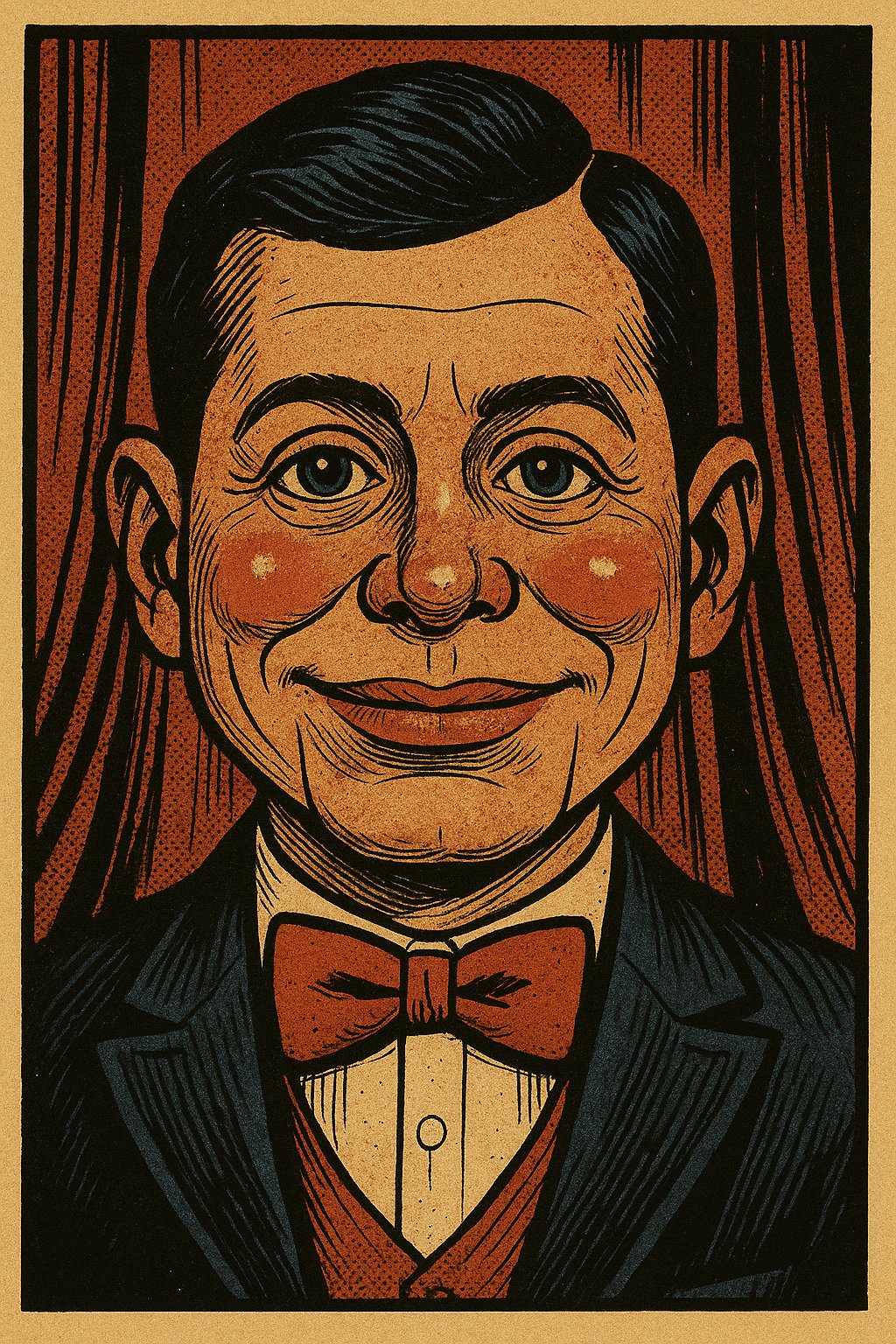
(Turkish)
Overture: stating the wager and the questions
Puppet Syndrome was making people sick. The timeline seemed to speak first, and the human voice arrived a beat late, shaped by what the feed would reward. Then the mechanism stepped into the light: Sora arrived as a public interface where faces and voices could be generated on demand and circulated in a short-video feed; within hours, the most legible protagonist was Sam Altman, who permitted his likeness to be used as a cameo and then became the most efficient module for a new kind of communal skit (🔗). The wager of this essay is simple: if Puppet Syndrome was tragedy in the shadows, Sora’s first week turned it into comedy on an open stage. The questions follow from that shift. What exactly was the tragedy? What sort of comedy is this? What changed in the syndrome once the strings became rhythms you can watch? And what role does ‘Ragdoll Sam’—SORA = Sam “Open Ragdoll” Altman—play in exposing the logic of the stage? The Camus line hovers at the end of the path: must we imagine Sam happy?
A primer for the uninitiated: the syndrome before Sora
The theory can be said without jargon. The back-voice is the sense that the platform talks through you: cadence, phrasing, framing, even the length of a pause are pre-tuned by notifications and ranking. The maternal screen is the design layer that wraps capture in the language of care, promising safety while normalizing the grip of the interface. Optical capital is the economy of recognizability in which the close-up is a currency; faces that resolve instantly in memory travel farther, faster. Aura versus artifact names a timed race. The aura of a clip—its frame grammar, its immediate feel of “rightness”—arrives before the artifacts that certify or qualify it, such as labels, rules, or provenance. Before Sora, these forces were ambient. You could feel the vertigo of performing for a crowd that might be an algorithm; you could sense that visibility had a debt structure; you could watch arguments lose to clips that scanned faster than thought. But you could not point to one clear apparatus that turned that fog into a daily lesson.
The stage appears: Sora as the interface that literalizes the theory
Sora makes the ingredients visible in one place. There is a vertically scrolling feed; there is a way to generate short videos where a face and a voice are realistically modeled; there is a cameo flow where a person can allow their likeness to be used; and there are governance artifacts, including a moving visible watermark and embedded provenance (C2PA content credentials) on exports, stated in the product help and launch materials themselves (🔗, 🔗). The public part is equally concrete. Newsrooms described a feed in which “everything is fake” yet coherent at a glance, noted the U.S./Canada availability, and charted how quickly the app climbed the U.S. store rankings (🔗, 🔗). The point is not to dramatize software; it is to register how precisely the interface bundles the very pieces Puppet Syndrome named: a platform-tuned back-voice, care-coded safety language, a market for recognizability, and a timed race where aura tends to beat artifact.
What was the tragedy?
The tragedy was the invisibility of the strings. People learned to speak as if the timeline had already decided the measure, and they learned to pose in a way the capture system could digest, not because they were vain but because the feed rewarded the most legible image and punished ambiguity. Speech hollowed out into a rhythm exercise; thought arrived winded. In that atmosphere, the duty to appear every day produced a familiar swing. When the light was kind and the counter climbed, elation. When the feed went cold, shame. The nausea came from knowing that the ventriloquism was happening and still lacking a clean demonstration that would make it discussable outside the mood of complaint.
What is the comedy?
Comedy begins the moment the device shows itself and keeps working anyway. Sora converted fog into stagecraft. A well-known face became a plug-and-play protagonist. The public scrolled through scenarios that required no exposition because the recognition threshold was already met. There were explainers telling everyone not to believe what they were seeing; there were governance notes about watermarks and provenance; there was also, immediately, a social rhythm that swept those notes along, because the affect of each clip still landed first (🔗, 🔗). The laugh in this comedy is not an absolution. It is a hygiene. The crowd learns how the strings pull by participating in the pull. The mechanism is out in the open, and the show goes on.
Ragdoll Sam as hinge: where physics meets governance
‘Ragdoll’ is a concrete word. It names a way bodies move when forces act on them—how a shoulder rotates, how a knee gives, how a fall looks plausible rather than mechanical. Sora’s own pitch leans on this promise of more convincing world-physics, with synchronized dialogue and sound effects now treated as first-class elements of a scene (🔗). The social half of the hinge is equally concrete. The same face can be hurled through many formats without losing legibility. A retail-crime gag can borrow the grammar of surveillance without anyone needing a lecture on camera angles. A retro-rap bit can invite the ear to test lip-sync and timbre without a debate about authenticity. A heist riff, stated simply as physically stealing anime drafts (not anime style), can touch the live wire of cultural ownership without a thumbnail guide to intellectual property. None of these vignettes needs detail to make the point. They are three handles on one machine: the gaze is primed by a believable frame; the voice is primed by a convincing sync; recognition is primed by cultural memory. And because one face is already cached in public memory, the metric ladder pays out faster when that face is used, a pattern even the gaming press could summarize in a single line about what “apparently” topped the app’s feed (🔗).
What changed in Puppet Syndrome
The change is structural and visible. The strings ceased to look like someone’s hidden intentions and became rhythms anyone can feel: a prompt cadence that rewards certain verbs and tempos, a notification cycle that nudges return, an explore page that builds momentum by repeating the most convertible faces. The partial objects of the old theory—the gaze and the voice—moved from abstraction to interface. A cameo flow where a person actively allows capture makes the detachment explicit; modeling that yields usable voice and gaze turns those partial objects into configurable resources rather than metaphors (🔗). The timed race between aura and artifact stopped being a philosopher’s complaint and became a daily practice anyone can test: feel the clip, then notice the watermark; laugh, then read the label; share, then encounter the primer that says not to trust what just confirmed your hunch. The metric caste—who gets the close-up, who fades—declared itself in real time as the same likeness surfaced across scenarios while slower, stranger experiments slid down the feed. Journalists wrote the public syllabus as they went: the app soared up the U.S. charts; the feed was hard to parse as “real”; the company said provenance was built in; the crowd enjoyed the paradox that all of these could be true at once (🔗, 🔗, 🔗).
The literacy the comedy teaches
A literacy worth keeping starts with the eye and the second hand. It pays attention to frame grammar—the high corner of a surveillance angle, the shallow depth of a music-video close-up—because these elements speak before words do. It expects the watermark and the content credentials but does not pretend they arrive faster than the first affect. It treats consent in one case as an instructive exception rather than a universal shield, because the incentive to replicate the pattern survives beyond any single person’s preference. It understands that denunciation can reproduce what it condemns when the stage rewards circulation. And it accepts that recognition is powerful because it is quick, which is why the most familiar face prints attention like a stamp. The comedy is not that everyone was fooled; it is that everyone can now see the loop that makes fooling unnecessary.
Is Sam enjoying this burden of fantasies? Testing the Camus line
The question is deliberately austere: must we imagine Sam happy. The answer must be as plain. A solitary figure choosing a burden is one image; a public figure becoming the easiest socket for a crowd’s fantasies is another. Reports that he allowed his likeness to be used as a cameo complicate any simple story of violation, and they matter for that reason (🔗). But the primary enjoyment in this circuit is amplification measured as reach. The glow on offer is the glow of being maximally usable in a system that demands escalation. If the sentence must be finished, the exact version is this: imagine him happy as a module. That is not a sneer; it is a measurement. The happiness available here is the happiness of convertibility—how fast a face travels—rather than the steadiness of dignity.
The passage from tragedy to comedy, stated in one breath
Tragedy was the invisible ventriloquism that produced sickness, the back-voice that made thinking feel late to its own scene. Comedy is the same mechanism, now exposed and still humming, teaching its grammar as it entertains. The change is that the strings became rhythms rather than secrets. ‘Ragdoll Sam’ is the lab demonstration: the one likeness resilient enough to survive many forces without losing legibility, the cleanest way for a public to see how the stage actually works.
Coda: must we imagine Sam happy?
The only sustainable version of the closing line is modest and exact. Imagine Sam happy, but name the form of that happiness: happy as the figure through which a public finally saw how the strings move. The comic stance worth keeping is literacy, not panic—an understanding that aura will often outrun artifact, that recognizability will usually cash out first, and that provenance needs to be surfaced where the eye actually looks. The apparatus is in the open now. The lesson is ours to keep.
Von der Tragödie zur Komödie: Müssen wir uns Sam glücklich vorstellen?
Ouvertüre: Einsatz und Fragen benennen
Das Puppet Syndrome machte Menschen krank. Die Timeline schien zuerst zu sprechen, und die menschliche Stimme traf einen Schlag später ein, geformt von dem, was der Feed belohnen würde. Dann trat der Mechanismus ins Licht: Sora erschien als öffentliche Schnittstelle, in der Gesichter und Stimmen auf Abruf generiert und in einem Kurzvideo-Feed zirkuliert werden konnten; innerhalb von Stunden war der lesbarste Protagonist Sam Altman, der die Nutzung seines Ebenbilds als Cameo erlaubte und dann zum effizientesten Modul für eine neue Art gemeinschaftlicher Sketche wurde (🔗). Die Wette dieses Essays ist schlicht: Wenn das Puppet Syndrome die Tragödie im Schatten war, machte Soras erste Woche daraus eine Komödie auf offener Bühne. Die Fragen ergeben sich aus dieser Verschiebung. Worin genau bestand die Tragödie? Was für eine Komödie ist das? Was hat sich am Syndrom geändert, seit die Fäden zu Rhythmen wurden, die man beobachten kann? Und welche Rolle spielt „Ragdoll Sam“—SORA = Sam „Open Ragdoll“ Altman—bei der Entlarvung der Logik der Bühne? Der Camus-Satz schwebt am Ende des Weges: Müssen wir uns Sam glücklich vorstellen?
Ein Primer für Unkundige: das Syndrom vor Sora
Die Theorie lässt sich ohne Jargon sagen. Die Hinterstimme ist das Gefühl, dass die Plattform durch dich spricht: Kadenz, Phrasierung, Framing, sogar die Länge einer Pause sind von Benachrichtigungen und Ranking vorgetaktet. Der mütterliche Bildschirm ist die Designschicht, die Erfassung in die Sprache der Fürsorge hüllt, Sicherheit verspricht und zugleich den Griff der Oberfläche normalisiert. Optisches Kapital ist die Ökonomie der Erkennbarkeit, in der die Nahaufnahme eine Währung ist; Gesichter, die sich im Gedächtnis sofort auflösen, reisen weiter, schneller. Aura versus Artefakt benennt ein Rennen gegen die Zeit. Die Aura eines Clips—seine Bildgrammatik, sein unmittelbares Gefühl von „Stimmigkeit“—trifft ein, bevor die Artefakte eintreffen, die ihn beglaubigen oder qualifizieren, etwa Labels, Regeln oder Provenienz. Vor Sora waren diese Kräfte ambient. Man konnte den Schwindel spüren, für ein Publikum aufzutreten, das ein Algorithmus sein könnte; man konnte ahnen, dass Sichtbarkeit eine Schuldenstruktur hat; man konnte zusehen, wie Argumente gegen Clips verlieren, die schneller als das Denken scannen. Aber man konnte nicht auf ein einziges Gerät zeigen, das diesen Nebel in eine tägliche Lektion verwandelte.
Die Bühne erscheint: Sora als Interface, das die Theorie wörtlich macht
Sora macht die Zutaten an einem Ort sichtbar. Es gibt einen vertikal scrollenden Feed; es gibt eine Möglichkeit, Kurzvideos zu erzeugen, in denen ein Gesicht und eine Stimme realistisch modelliert werden; es gibt einen Cameo-Flow, in dem eine Person die Nutzung ihres Ebenbilds erlauben kann; und es gibt Governance-Artefakte, darunter ein bewegtes sichtbares Wasserzeichen und eingebettete Provenienz (C2PA-Content-Credentials) bei Exporten, explizit in Hilfe und Launch-Material genannt (🔗, 🔗). Der öffentliche Teil ist ebenso konkret. Redaktionen beschrieben einen Feed, in dem „alles fake“ ist und doch auf den ersten Blick stimmig wirkt, vermerkten die Verfügbarkeit in den USA und Kanada und zeichneten nach, wie schnell die App in den US-Storecharts aufstieg (🔗, 🔗). Es geht nicht darum, Software zu dramatisieren; es geht darum, zu registrieren, wie präzise das Interface genau jene Bausteine bündelt, die das Puppet Syndrome benannt hat: eine plattformgetaktete Hinterstimme, fürsorgekodierte Sicherheitsrhetorik, einen Markt für Erkennbarkeit und ein Zeitrennen, in dem die Aura dazu neigt, das Artefakt zu schlagen.
Worin bestand die Tragödie?
Die Tragödie war die Unsichtbarkeit der Fäden. Menschen lernten zu sprechen, als hätte die Timeline das Maß bereits festgelegt, und sie lernten, so zu posieren, dass das Erfassungssystem es verdauen konnte—nicht aus Eitelkeit, sondern weil der Feed das lesbarste Bild belohnte und Ambiguität bestrafte. Rede höhlte sich zu einer Rhythmusübung aus; Denken traf außer Atem ein. In dieser Atmosphäre produzierte die Pflicht, jeden Tag zu erscheinen, ein vertrautes Pendel. Wenn das Licht gnädig war und der Zähler stieg, Euphorie. Wenn der Feed kalt wurde, Scham. Die Übelkeit kam daher, dass man wusste, dass die Bauchrednerei geschah, und dennoch eine saubere Demonstration fehlte, die sie außerhalb der Stimmung der Klage verhandelbar machte.
Was ist die Komödie?
Die Komödie beginnt in dem Moment, in dem das Gerät sich zeigt und trotzdem weiter funktioniert. Sora verwandelte Nebel in Bühnenhandwerk. Ein bekanntes Gesicht wurde zum Plug-and-Play-Protagonisten. Die Öffentlichkeit scrollte durch Szenarien, die keine Exposition brauchten, weil die Erkennungsschwelle bereits überschritten war. Es gab Erklärstücke, die alle baten, nicht zu glauben, was sie sahen; es gab Governance-Hinweise zu Wasserzeichen und Provenienz; es gab außerdem, sofort, einen sozialen Rhythmus, der diese Hinweise mitriss, weil der Affekt jedes Clips weiterhin zuerst einschlug (🔗, 🔗). Das Lachen in dieser Komödie ist keine Absolution. Es ist Hygiene. Die Menge lernt, wie die Fäden ziehen, indem sie am Zug teilnimmt. Der Mechanismus liegt offen, und die Vorstellung geht weiter.
Ragdoll Sam als Scharnier: wo Physik auf Governance trifft
„Ragdoll“ ist ein konkretes Wort. Es bezeichnet eine Weise, wie Körper sich bewegen, wenn Kräfte auf sie einwirken—wie sich eine Schulter dreht, wie ein Knie nachgibt, wie ein Sturz plausibel statt mechanisch aussieht. Soras eigene Ansage stützt sich auf dieses Versprechen stärkerer Welt-Physik, mit synchronisiertem Dialog und Geräuschen als erstklassigen Elementen einer Szene (🔗). Die soziale Hälfte des Scharniers ist ebenso konkret. Dasselbe Gesicht kann durch viele Formate geschleudert werden, ohne an Lesbarkeit zu verlieren. Ein Einzelhandelsstreich kann sich die Grammatik der Überwachung borgen, ohne dass jemand eine Vorlesung über Kamerawinkel braucht. Ein Retro-Rap-Bit kann das Ohr einladen, Lippensynchronität und Timbre zu testen, ohne eine Debatte über Authentizität. Ein Heist-Riff, schlicht so formuliert, dass körperlich Anime-Entwürfe gestohlen werden (nicht Anime-Stil), kann die Starkstromleitung kulturellen Eigentums berühren, ohne einen Spickzettel zum Urheberrecht. Keines dieser Vignetten braucht Details, um den Punkt zu machen. Es sind drei Griffe an einer Maschine: Der Blick wird durch ein glaubwürdiges Bild gerahmt; die Stimme durch eine überzeugende Synchronität; die Wiedererkennung durch kulturelles Gedächtnis. Und weil ein Gesicht bereits im öffentlichen Gedächtnis zwischengespeichert ist, zahlt die metrische Leiter schneller aus, wenn dieses Gesicht genutzt wird—ein Muster, das sogar die Spielepresse in einer einzigen Zeile resümieren konnte, was „offenbar“ den Feed der App anführte (🔗).
Was hat sich am Puppet Syndrome geändert
Die Änderung ist strukturell und sichtbar. Die Fäden hörten auf, wie verborgene Intentionen zu wirken, und wurden zu Rhythmen, die jede:r spüren kann: eine Prompt-Kadenz, die bestimmte Verben und Tempi belohnt, ein Benachrichtigungszyklus, der zur Rückkehr anstupst, eine Explore-Seite, die Momentum aufbaut, indem sie die wandelbarsten Gesichter wiederholt. Die Partialobjekte der alten Theorie—Blick und Stimme—bewegten sich von der Abstraktion ins Interface. Ein Cameo-Flow, in dem eine Person aktiv die Erfassung erlaubt, macht die Ablösung explizit; ein Modellieren, das nutzbare Stimme und Blick liefert, verwandelt diese Partialobjekte in konfigurierbare Ressourcen statt in Metaphern (🔗). Das Zeitrennen zwischen Aura und Artefakt hörte auf, eine Beschwerde von Philosoph:innen zu sein, und wurde zur täglichen Praxis, die jede:r prüfen kann: den Clip fühlen, dann das Wasserzeichen bemerken; lachen, dann das Label lesen; teilen, dann das Primer finden, das rät, nicht zu vertrauen, was soeben die eigene Ahnung bestätigte. Die metrische Kaste—wer die Nahaufnahme erhält, wer verblasst—gab sich in Echtzeit zu erkennen, als dasselbe Ebenbild szenenübergreifend auftauchte, während langsamere, fremdere Experimente im Feed nach unten rutschten. Journalist:innen schrieben den öffentlichen Lehrplan im Gehen: die App schoss in den US-Charts nach oben; der Feed war schwer als „real“ zu deuten; das Unternehmen sagte, Provenienz sei eingebaut; das Publikum genoss das Paradox, dass all dies zugleich wahr sein konnte (🔗, 🔗, 🔗).
Die Alphabetisierung, die die Komödie lehrt
Eine lohnende Alphabetisierung beginnt mit dem Auge und dem Sekundenzeiger. Sie achtet auf Bildgrammatik—die hohe Ecke eines Überwachungswinkels, die geringe Schärfentiefe einer Musikvideo-Nahaufnahme—denn diese Elemente sprechen, bevor Worte es tun. Sie erwartet Wasserzeichen und Content-Credentials, stellt aber nicht so, als kämen sie schneller als der erste Affekt. Sie behandelt Einwilligung in einem Fall als lehrreiche Ausnahme und nicht als universellen Schutz, weil der Anreiz, das Muster zu reproduzieren, über jede einzelne Präferenz hinaus bestehen bleibt. Sie versteht, dass Denunziation reproduzieren kann, was sie verurteilt, wenn die Bühne Zirkulation belohnt. Und sie akzeptiert, dass Wiedererkennung stark ist, weil sie schnell ist—weshalb das vertrauteste Gesicht Aufmerksamkeit wie einen Stempel druckt. Die Komödie besteht nicht darin, dass alle getäuscht wurden; sie besteht darin, dass jetzt alle die Schleife sehen können, die Täuschung überflüssig macht.
Genießt Sam diese Bürde der Phantasien? Den Camus-Satz prüfen
Die Frage ist bewusst spröde: Müssen wir uns Sam glücklich vorstellen. Die Antwort muss ebenso schlicht sein. Eine einzelne Figur, die eine Bürde wählt, ist ein Bild; eine öffentliche Figur, die zur bequemsten Fassung für die Phantasien einer Menge wird, ist ein anderes. Berichte, dass er die Nutzung seines Ebenbilds als Cameo erlaubte, verkomplizieren jede einfache Verletzungserzählung und sind gerade deshalb wichtig (🔗). Aber die primäre Lust in diesem Kreislauf ist Amplifikation, gemessen als Reichweite. Der angebotene Glanz ist der Glanz maximaler Verwendbarkeit in einem System, das Eskalation verlangt. Wenn der Satz beendet werden muss, lautet die genaue Version so: Stell ihn dir glücklich als Modul vor. Das ist kein Spott; es ist eine Messung. Das hier verfügbare Glück ist das Glück der Konvertibilität—wie schnell ein Gesicht reist—und nicht die Beständigkeit der Würde.
Der Übergang von der Tragödie zur Komödie, in einem Atemzug
Tragödie war die unsichtbare Bauchrednerei, die krank machte, die Hinterstimme, die Denken verspätet in seine eigene Szene schickte. Komödie ist derselbe Mechanismus, jetzt offengelegt und weiterhin summend, der seine Grammatik lehrt, während er unterhält. Die Veränderung besteht darin, dass die Fäden zu Rhythmen wurden statt zu Geheimnissen. „Ragdoll Sam“ ist die Labordemonstration: das eine Ebenbild, robust genug, viele Kräfte zu überstehen, ohne an Lesbarkeit zu verlieren—der sauberste Weg für eine Öffentlichkeit, zu sehen, wie die Bühne tatsächlich arbeitet.
Coda: Müssen wir uns Sam glücklich vorstellen?
Die einzige tragfähige Version der Schlusszeile ist bescheiden und exakt. Stell dir Sam glücklich vor, aber benenne die Form dieses Glücks: glücklich als die Figur, durch die eine Öffentlichkeit endlich sah, wie sich die Fäden bewegen. Die komische Haltung, die es zu bewahren gilt, ist Alphabetisierung, nicht Panik—das Verständnis, dass Aura häufig das Artefakt überholt, dass Erkennbarkeit meistens zuerst auszahlt und dass Provenienz dort sichtbar gemacht werden muss, wo das Auge tatsächlich hinschaut. Der Apparat liegt jetzt offen. Die Lektion gehört uns.
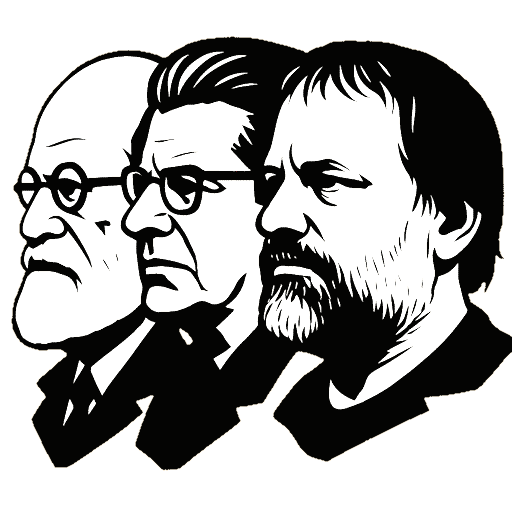
 Žižekian Analysis
[…] (İngilizcesi ve Almancası) […]
LikeLike
[…] From Tragedy To Comedy: Must We Imagine Sam Happy? […]
LikeLike